Building Restoration and Repair in Doral, FL
Most companies stop after demolition. We rebuild what came out, so your property gets back to the way it was without a second contractor.
The part most companies skip
What Happens After the Damage Is Cleaned Up
Mitigation is only half the job. After the water is extracted, the mold is removed, or the soot is cleaned, you are left with a property that is stable but not finished. Drywall is open, flooring is gone, trim is off, and rooms are unusable.
Most restoration companies stop there. They dry the structure, hand you a certificate, and leave you to find a general contractor for the rebuild. That gap is where projects stall for weeks while property owners collect bids for work that should have already started.
Building restoration is the reconstruction phase. It puts back what had to be removed, matched to what was there before, so the property looks the way it did rather than looking repaired.
DAMAGE AND REPAIRS?
WE'RE READY 24/7
the part most companies skip
What Happens After the Damage Is Cleaned Up
Mitigation is only half the job. After the water is extracted, the mold is removed, or the soot is cleaned, you are left with a property that is stable but not finished. Drywall is open, flooring is gone, trim is off, and rooms are unusable.
Most restoration companies stop there. They dry the structure, hand you a certificate, and leave you to find a general contractor for the rebuild. That gap is where projects stall for weeks while property owners collect bids for work that should have already started.
Building restoration is the reconstruction phase. It puts back what had to be removed, matched to what was there before, so the property looks the way it did rather than looking repaired.
RECONSTRUCTION AND REPAIR PROBLEM?
WE'RE READY 24/7
WHAT YOU GET
What Is Included in Our Building Restoration Service
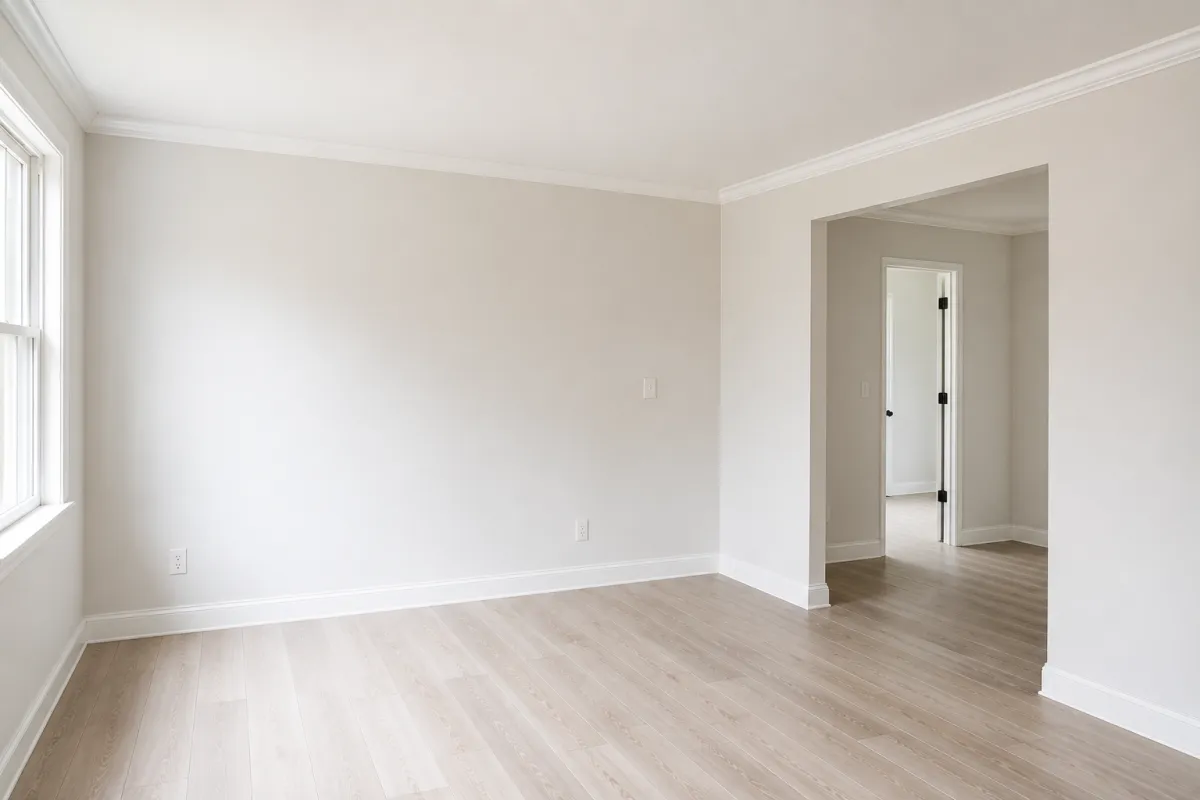
Full Restoration
Complete reconstruction of the affected area, returning the space to its pre loss condition including finishes, flooring, and cabinetry.
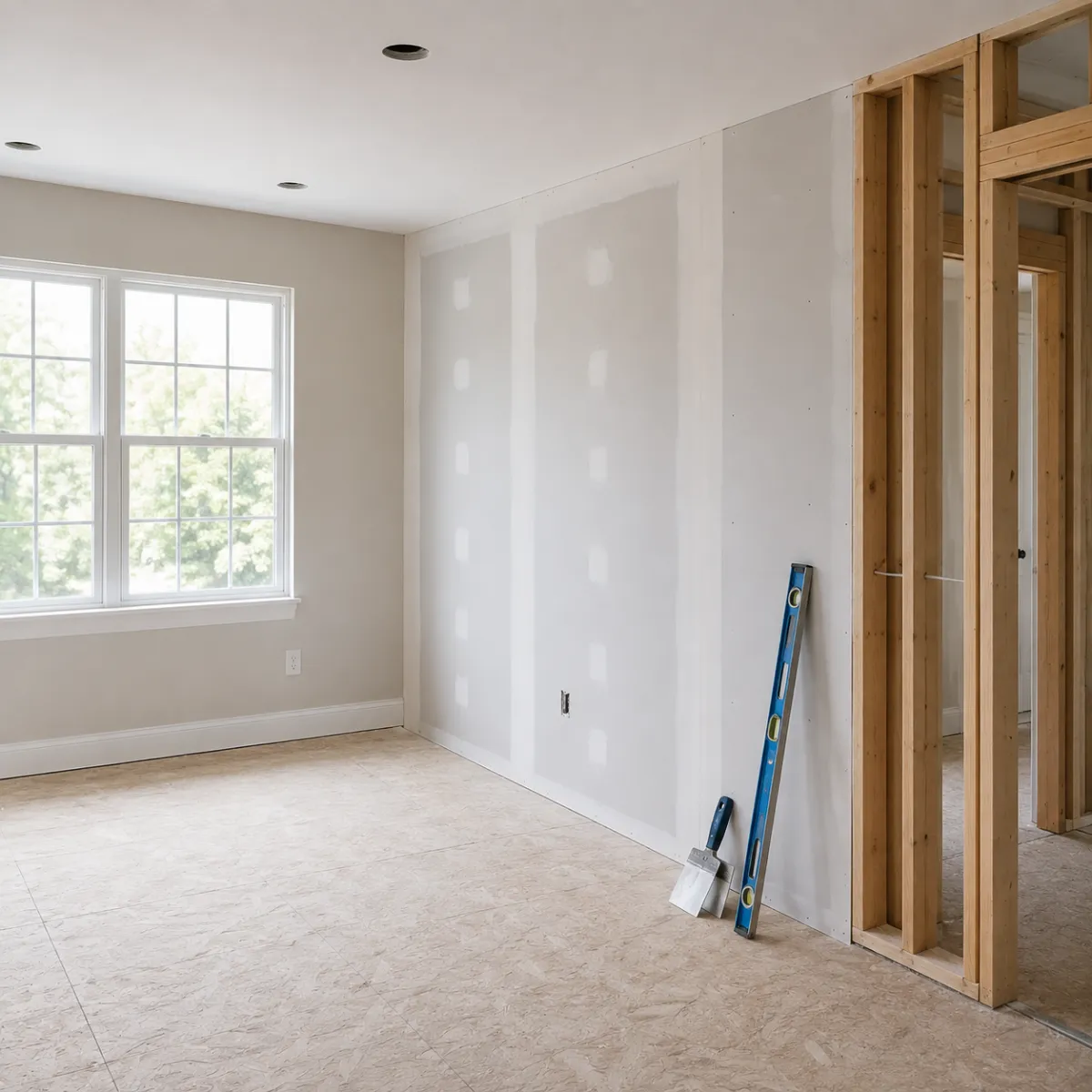
Structural Restoration
Repair and replacement of the building elements themselves, including framing, subfloor, drywall, and carpentry.
WHAT YOU GET
What Is Included in Our Fire Damage Restoration
Full Restoration
Complete reconstruction of the affected area, returning the space to its pre loss condition including finishes, flooring, and cabinetry.
Structural Restoration
Repair and replacement of the building elements themselves, including framing, subfloor, drywall, and carpentry.
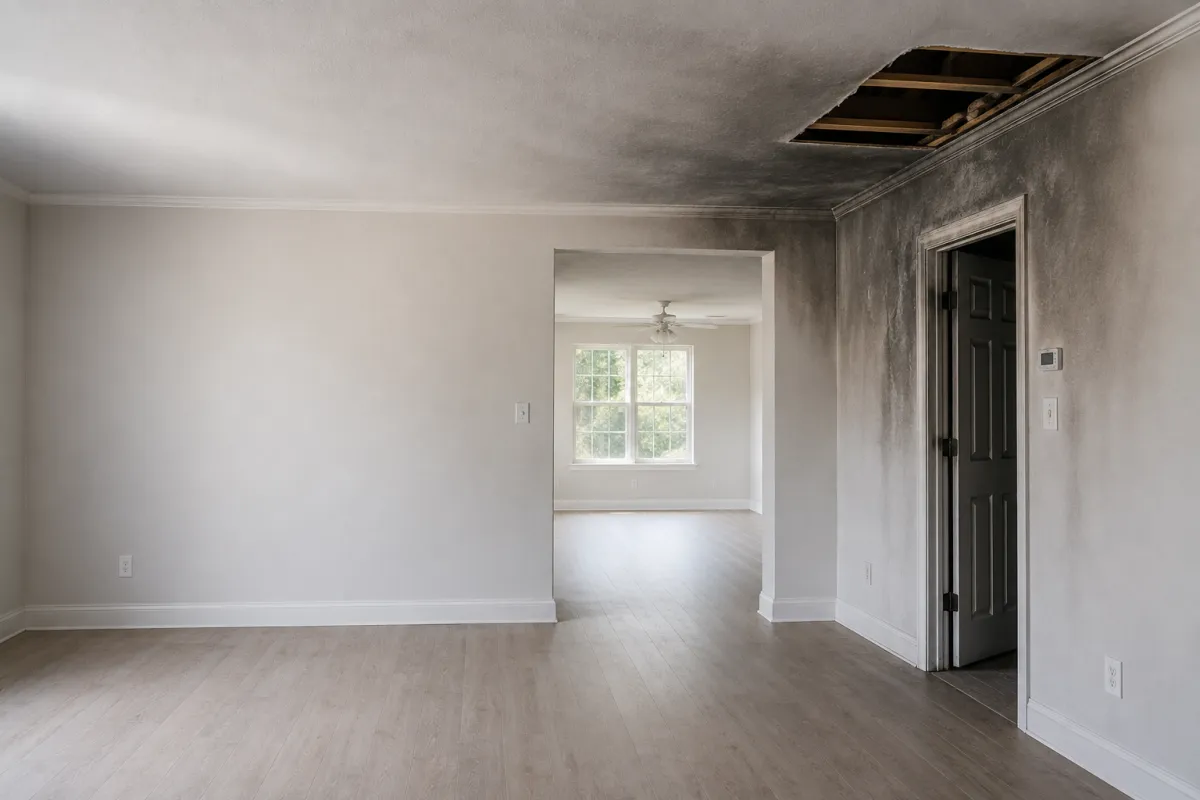
Smoke Odor Removal
Odor persists because residue stays in insulation, ductwork, and framing. We treat those reservoirs rather than covering the smell.
DAMAGE & REPAIR?
WE'RE READY 24/7
WHAT TO EXPECT
OUR building restoration process
01
We confirm the structure is dry
Nothing gets closed up over material still holding moisture. Readings confirm dry standard before any rebuild work begins. [Structural Drying]
02
We scope what needs replacing
We identify what was removed and what has to go back, and where an exact material match is unavailable we bring you options rather than choosing for you.
03
We rebuild the structure
Framing, subfloor, and drywall go back first, so the building itself is sound before any finish work starts.
04
We finish the space
Flooring, trim, cabinetry, paint, and fixtures are installed to return the room to a finished condition.
05
We walk it with you
We go through the completed work together before the job closes, because the person who has to live with the result should be the one who signs off on it.
who we help
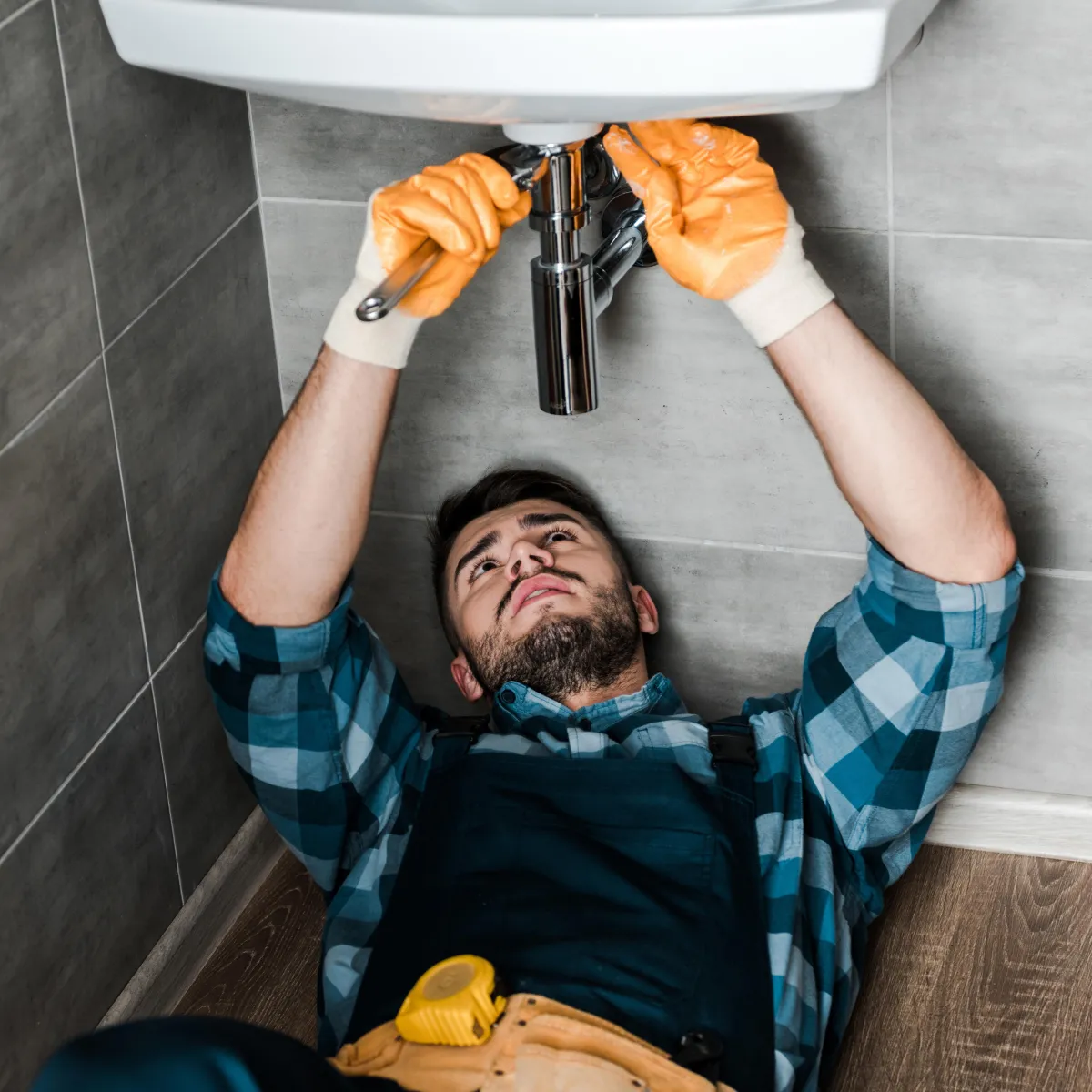
Homes, Condos, And Businesses
Most of our rebuild work is residential. Single family homes in Doral where a water or fire loss took out drywall, flooring, and cabinetry across several rooms.
Condominiums add coordination. Work often has to fit association rules on hours, access, and materials, and the scope may cross between unit and common elements depending on where the damage originated.
Commercial properties are driven by downtime. A space that is closed is not earning, so the rebuild sequence usually prioritizes getting the operating areas back into service before finishing everything else.
WHY THIS TEAM
Why Choose I Need Tarp LLC
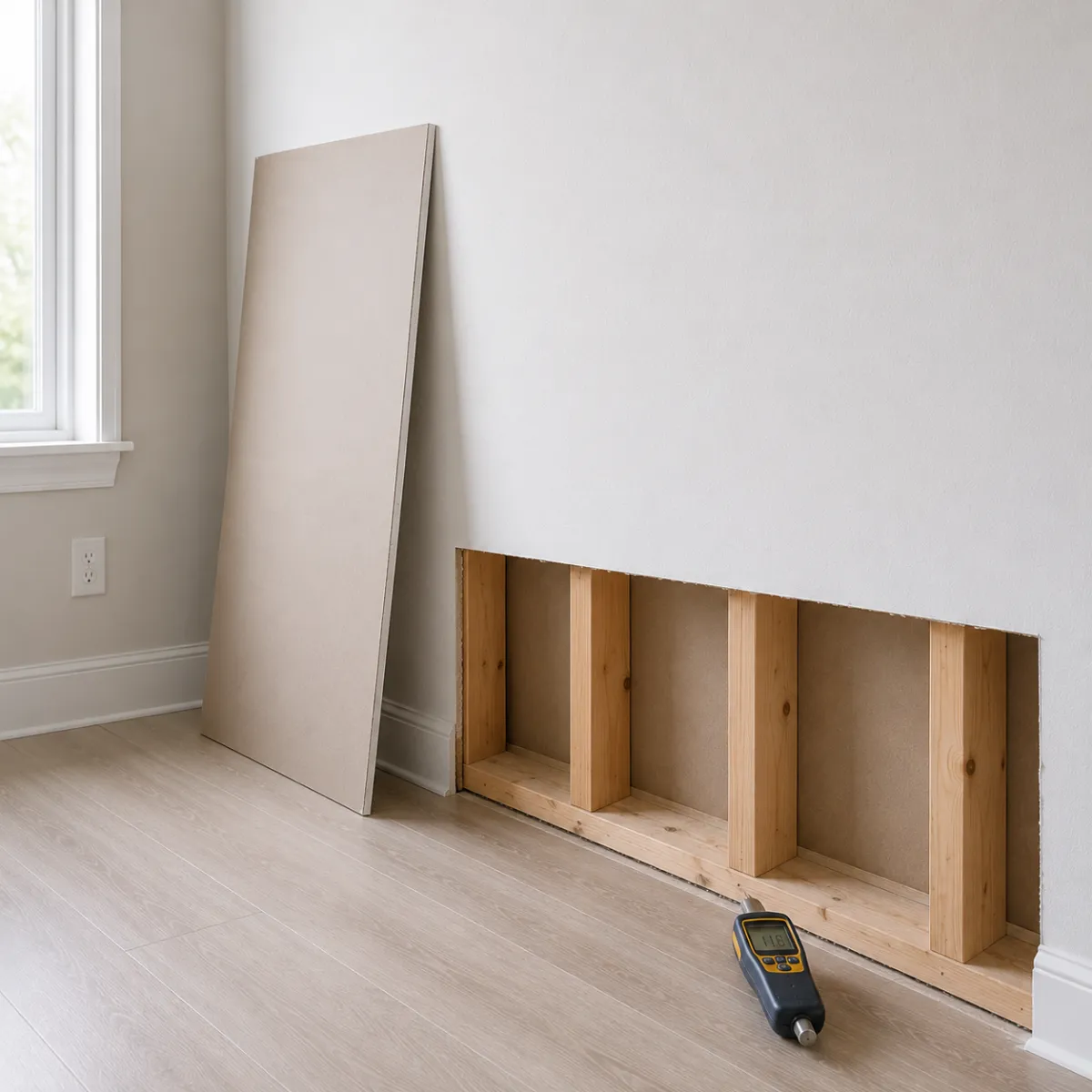
We handle mitigation and reconstruction, which means the company that opened your walls is the company that closes them. Nothing gets enclosed over a problem we did not see, because we were there when the material came out.
That also removes the handoff. You are not drying with one company, waiting weeks for bids, then starting over with a contractor who has to be brought up to speed on what happened.
We are family owned with a team of 15, and the owners oversee the crews on site. Much of our work comes through public adjusters and claims firms, so the documentation carries through from the first assessment to the final walkthrough.
WHY THIS TEAM
Why Choose I Need Tarp LLC
We handle mitigation and reconstruction, which means the company that opened your walls is the company that closes them. Nothing gets enclosed over a problem we did not see, because we were there when the material came out.
That also removes the handoff. You are not drying with one company, waiting weeks for bids, then starting over with a contractor who has to be brought up to speed on what happened.
We are family owned with a team of 15, and the owners oversee the crews on site. Much of our work comes through public adjusters and claims firms, so the documentation carries through from the first assessment to the final walkthrough.
Service Areas
Serving Doral & Sorrounding Areas
Our office is in Doral and our crews work throughout the surrounding communities of Miami Dade. Every service listed above is available in each of these areas, with the same response and the same documentation standard regardless of which city you are calling from.
F.A.Q
Building Restoration Questions
Here are answers to common questions about our restoration services.
Do I need a separate contractor to rebuild after water damage?
Not with us. We handle both the mitigation and the reconstruction, so the same company that dried and removed material puts it back. Many restoration companies stop at demolition and leave the rebuild to someone else.
How soon can rebuilding start after the drying is finished?
Once moisture readings confirm the structure has reached dry standard. Starting before that means enclosing damp material, which leads to mold behind a wall that looks finished. [Water Damage Restoration]
Will the repair match the rest of my house?
Usually. Materials are matched to what was there before wherever possible. Discontinued flooring or older finishes sometimes cannot be matched exactly, and in those cases we bring you options rather than deciding for you.
Does insurance cover the rebuild, or only the cleanup?
Covered claims typically include restoring the property to its pre loss condition, not just drying it out. What that covers in practice depends on the policy and the adjuster's scope, so it is worth confirming before work begins.
How long does restoration reconstruction take?
It depends on scope. A single room with drywall and flooring can take days, while multiple rooms with cabinetry and structural work take weeks. The rebuild is usually the longest phase of a restoration job.
Can I stay in my home during the rebuild?
Often yes, depending on how much of the property is affected. On larger jobs we work in phases, completing one area before moving to the next, so the household keeps usable space throughout.
What kind of repairs do you handle?
Drywall, insulation, flooring, framing, subfloor, cabinetry, trim, doors, and paint. The scope is whatever had to be removed during mitigation, which on larger losses can mean rebuilding entire rooms.
Do you rebuild after fire damage as well as water damage?
Yes. The reconstruction phase works the same way regardless of what caused the loss, though fire jobs often involve more extensive replacement because of heat and smoke exposure. [Fire Damage Restoration]
I Need A Tarp LLC - Restoration Expert is a family owned restoration company based in Doral. We handle water damage, mold, fire, and the reconstruction that follows, for homeowners and properties across Miami Dade. Licensed by the State of Florida and available 24 hours a day.


Contact Now
Office Location
8400 NW 33rd St, Doral, FL 33122
Office Info
+1 813-921-2308
I Need A Tarp LLC - Restoration Expert is a family owned restoration company based in Doral. We handle water damage, mold, fire, and the reconstruction that follows, for homeowners and properties across Miami Dade. Licensed by the State of Florida and available 24 hours a day.
Contact Now
Office Location
8400 NW 33rd St, Doral, FL 33122
Office Info
+1 813-921-2308