

RESTORATION EXPERT YOU CAN TRUST
Water Damage Restoration in Sweetwater, FL
NEXT DOOR TO OUR OFFICE
Serving Sweetwater from Our Doral Base
I Need A Tarp LLC is headquartered in Doral [LINK to homepage], directly north of Sweetwater, and our crews cover the city along with the surrounding Miami Dade communities. We answer calls 24 hours a day, seven days a week.
Sweetwater sits on flat, low lying ground on the western edge of developed Miami Dade, with the Tamiami Canal running through it and Florida's Turnpike forming its western boundary. That position shapes the water damage we see here more than the age of any particular house does.
We work in English and Spanish, which matters in a city where public information is routinely issued in both.
NEXT DOOR TO OUR OFFICE
Serving Sweetwater from Our Doral Base
I Need A Tarp LLC is headquartered in Doral [Homepage], directly north of Sweetwater, and our crews cover the city along with the surrounding Miami Dade communities. We answer calls 24 hours a day, seven days a week.
Sweetwater sits on flat, low lying ground on the western edge of developed Miami Dade, with the Tamiami Canal running through it and Florida's Turnpike forming its western boundary. That position shapes the water damage we see here more than the age of any particular house does.
We work in English and Spanish, which matters in a city where public information is routinely issued in both.
FLAT GROUND, SLOW DRAINAGE
What Water Damage Looks Like in Sweetwater
Sweetwater's drainage depends on canals rather than slope. The land is flat and sits at about ten feet of elevation, so during heavy rain water does not run off, it accumulates and waits for the system to carry it away. During an intense downpour that can mean standing water in streets and yards for hours.
The city's flood history is on the public record. After local flooding from Hurricane Irene in 1999 and the No Name Storm in 2000, the South Florida Water Management District launched the Tamiami C-4 Canal Flood Protection Project, building flood walls and berms through sections of Sweetwater along with a detention basin and pump stations. The city maintains its own Stormwater Master Plan and continues canal and drain maintenance. Substantial protection now exists, but the underlying terrain has not changed.
For a property owner, the practical question after water enters a house is which kind of water it was. Water that came in from outside during a storm is flood, which standard homeowners policies exclude and which requires separate coverage. A pipe or appliance failing inside the house is a different category and usually covered. Establishing which one you had is often the difference between a paid claim and a denied one, which is why we document conditions and readings from the first visit.
Storm water also arrives contaminated, so material that would be dried after a clean water loss usually has to be removed instead.
[Flood Damage Restoration] · [Water Damage Restoration] · [Mold Remediation]
FLAT GROUND, SLOW DRAINAGE
What Water Damage Looks Like in Sweetwater
Sweetwater's drainage depends on canals rather than slope. The land is flat and sits at about ten feet of elevation, so during heavy rain water does not run off, it accumulates and waits for the system to carry it away. During an intense downpour that can mean standing water in streets and yards for hours.
The city's flood history is on the public record. After local flooding from Hurricane Irene in 1999 and the No Name Storm in 2000, the South Florida Water Management District launched the Tamiami C-4 Canal Flood Protection Project, building flood walls and berms through sections of Sweetwater along with a detention basin and pump stations. The city maintains its own Stormwater Master Plan and continues canal and drain maintenance. Substantial protection now exists, but the underlying terrain has not changed.
For a property owner, the practical question after water enters a house is which kind of water it was. Water that came in from outside during a storm is flood, which standard homeowners policies exclude and which requires separate coverage. A pipe or appliance failing inside the house is a different category and usually covered. Establishing which one you had is often the difference between a paid claim and a denied one, which is why we document conditions and readings from the first visit.
Storm water also arrives contaminated, so material that would be dried after a clean water loss usually has to be removed instead.
[LINK to Flood Damage Restoration] · [LINK to Water Damage Restoration] · [LINK to Mold Remediation]
OUR SERVICES
Restoration Services We Provide In Doral

Water Damage Restoration
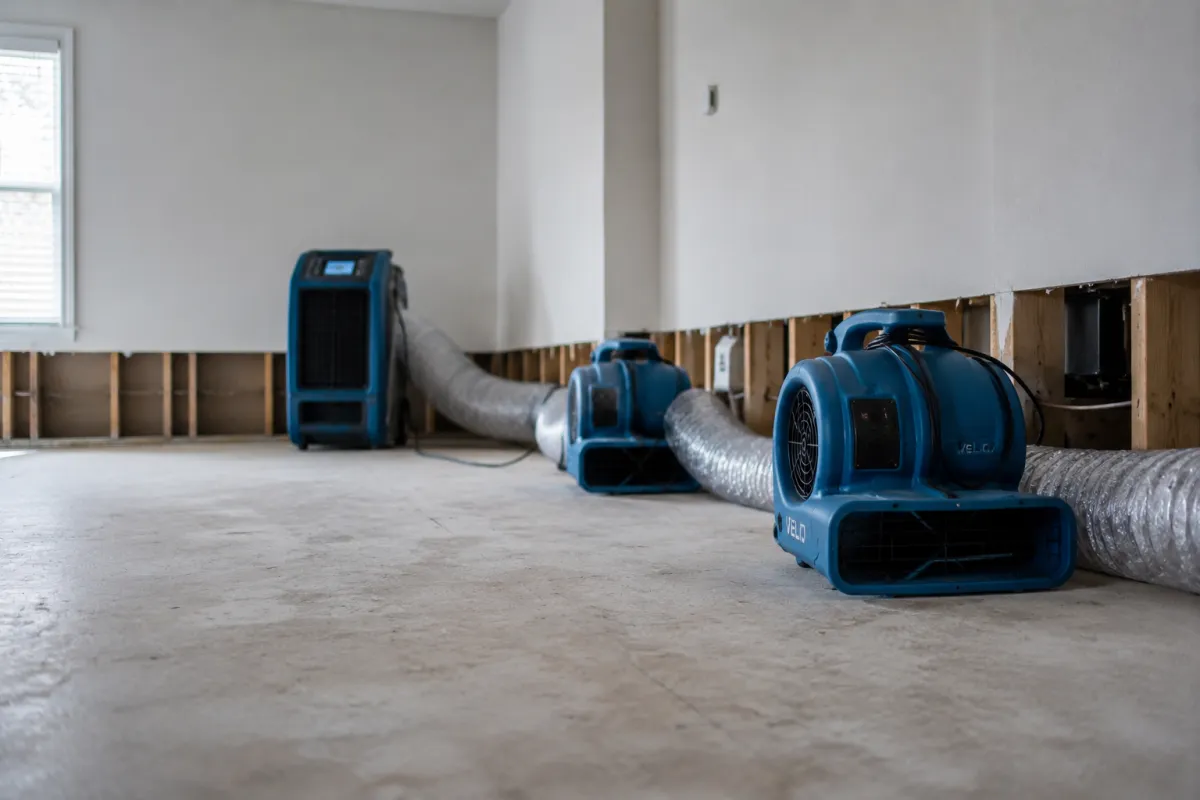
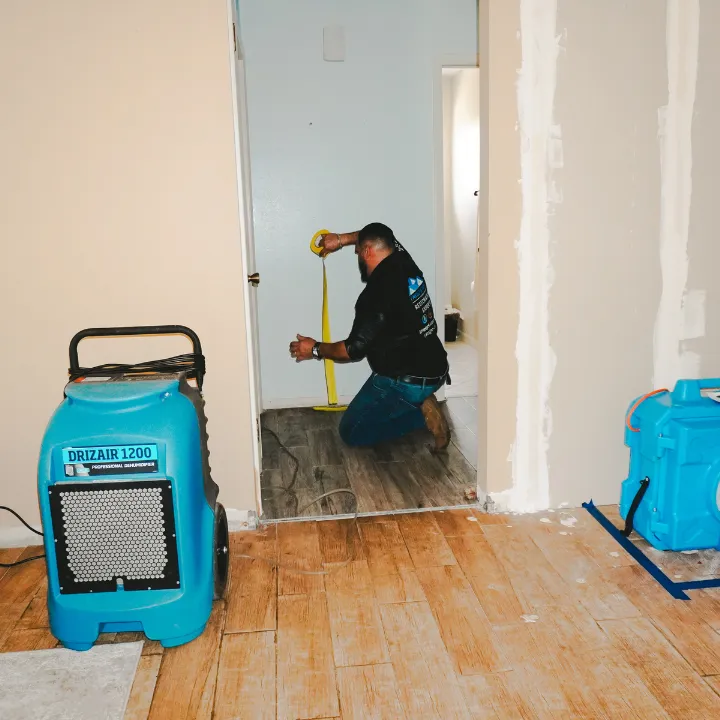
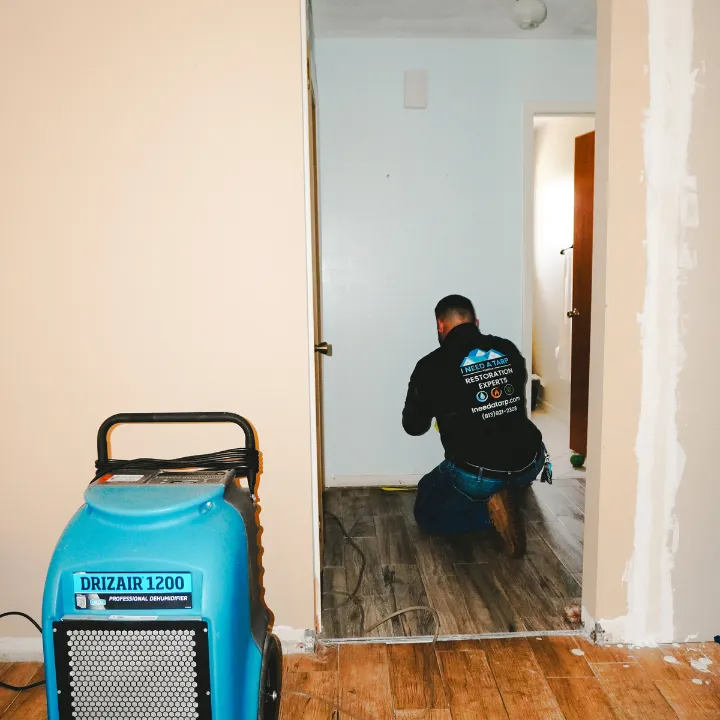
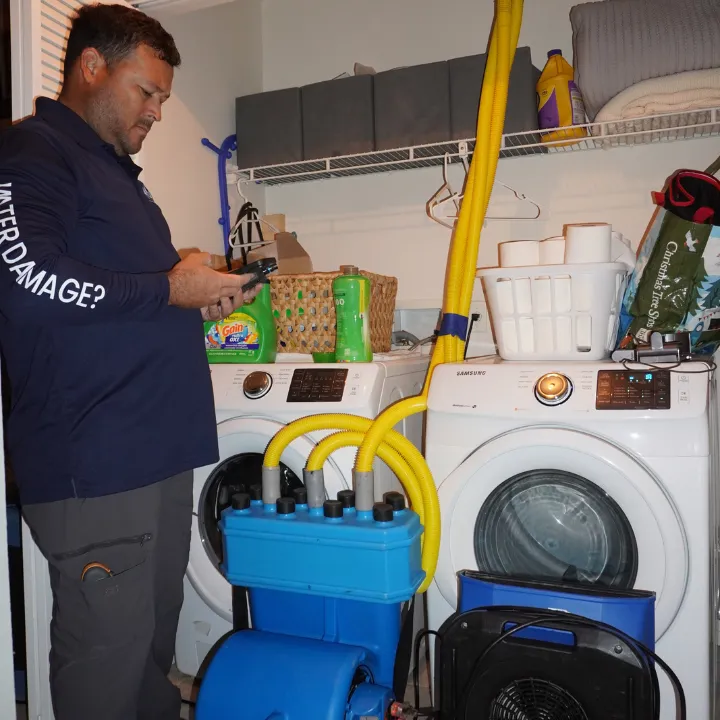
Our primary service and the reason most people call. We extract standing water, dry the structure with monitored equipment, and confirm the property has reached dry standard before we close the file. This covers burst pipes, appliance failures, roof and ceiling leaks, and storm flooding.

Mold Remediation
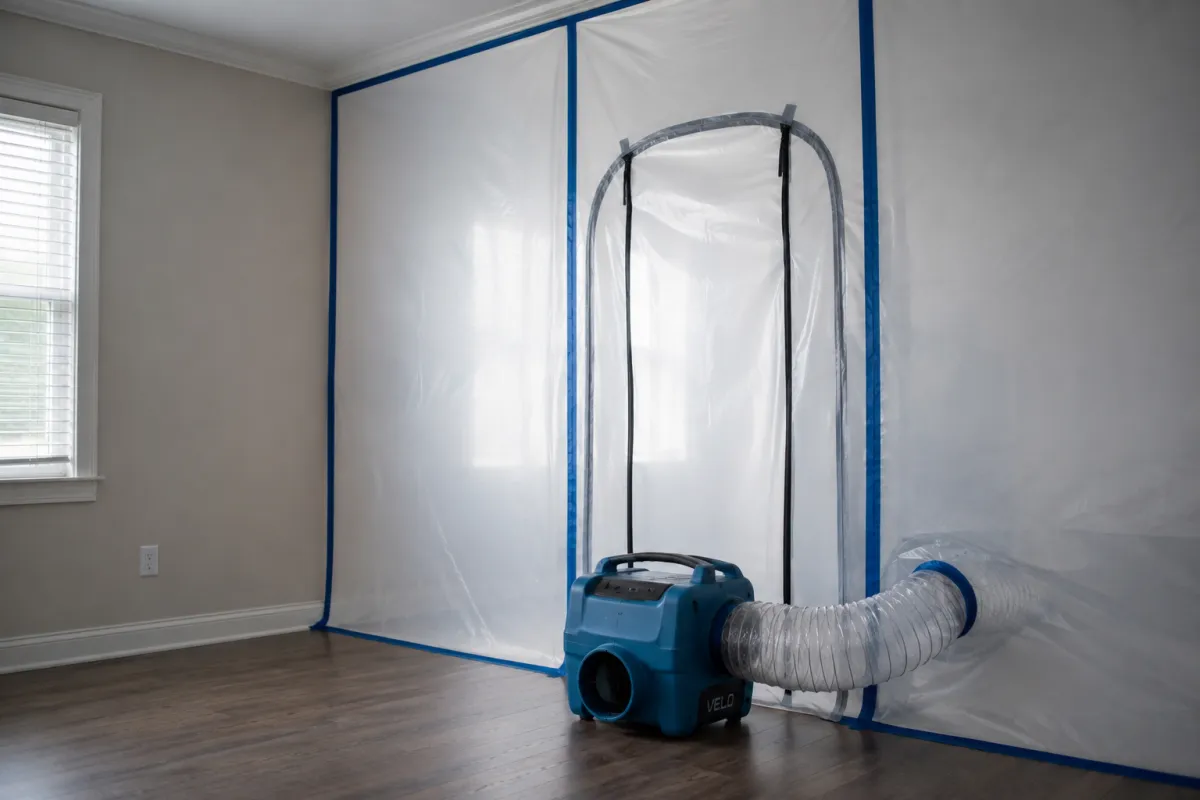
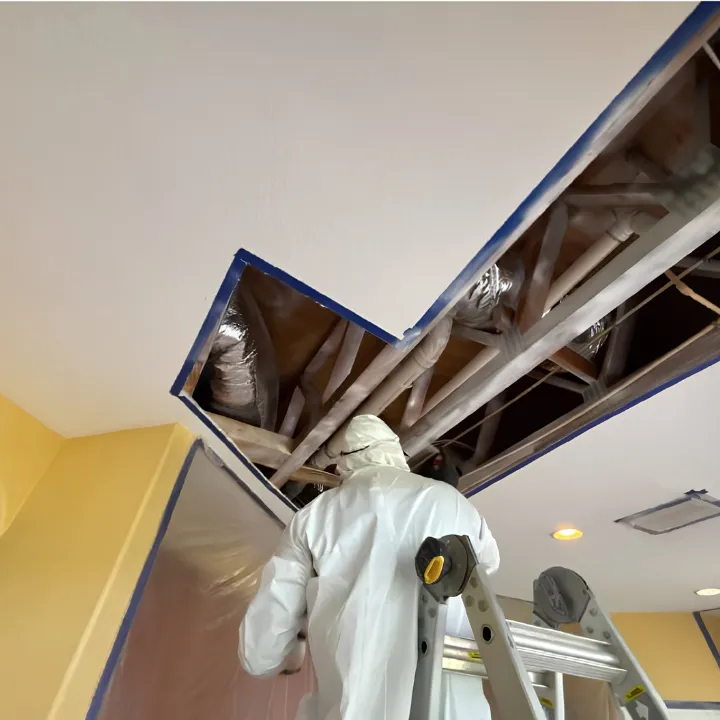
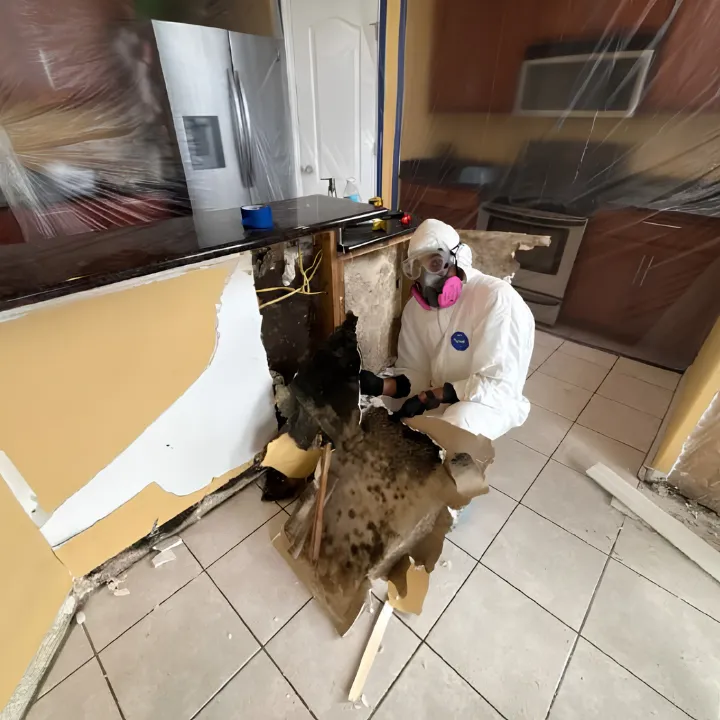
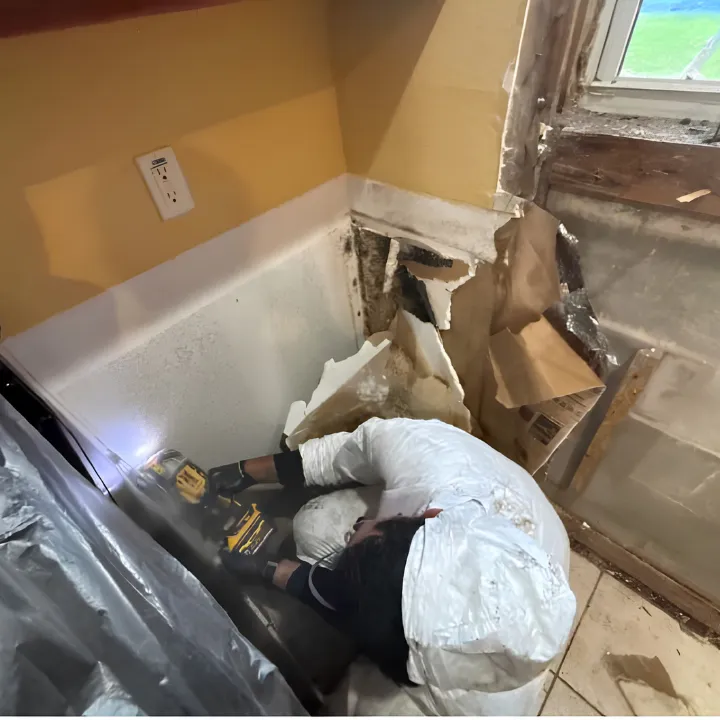
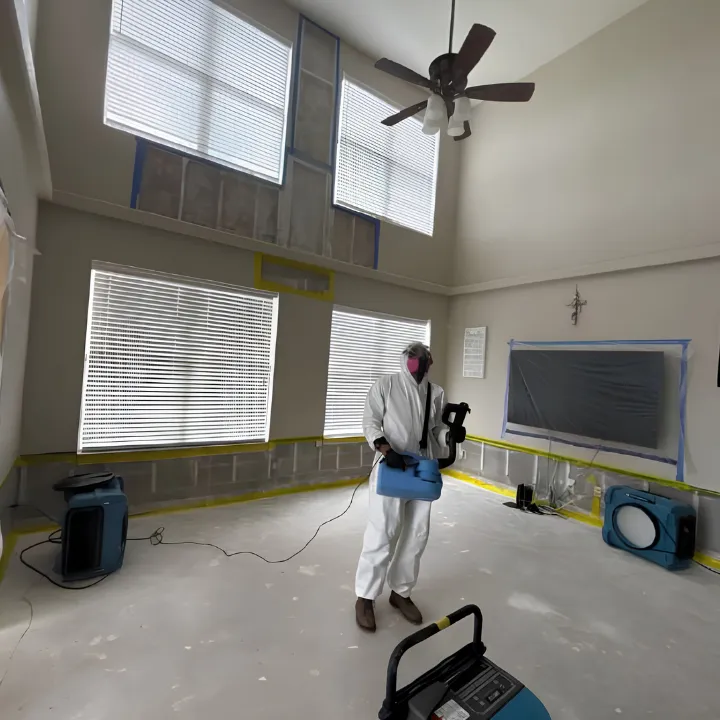
South Florida humidity means mold can follow a water loss within days. We contain the affected area under negative pressure, remove materials that cannot be cleaned, and verify each zone with clearance sampling before signing it off.

Fire Damage Restoration
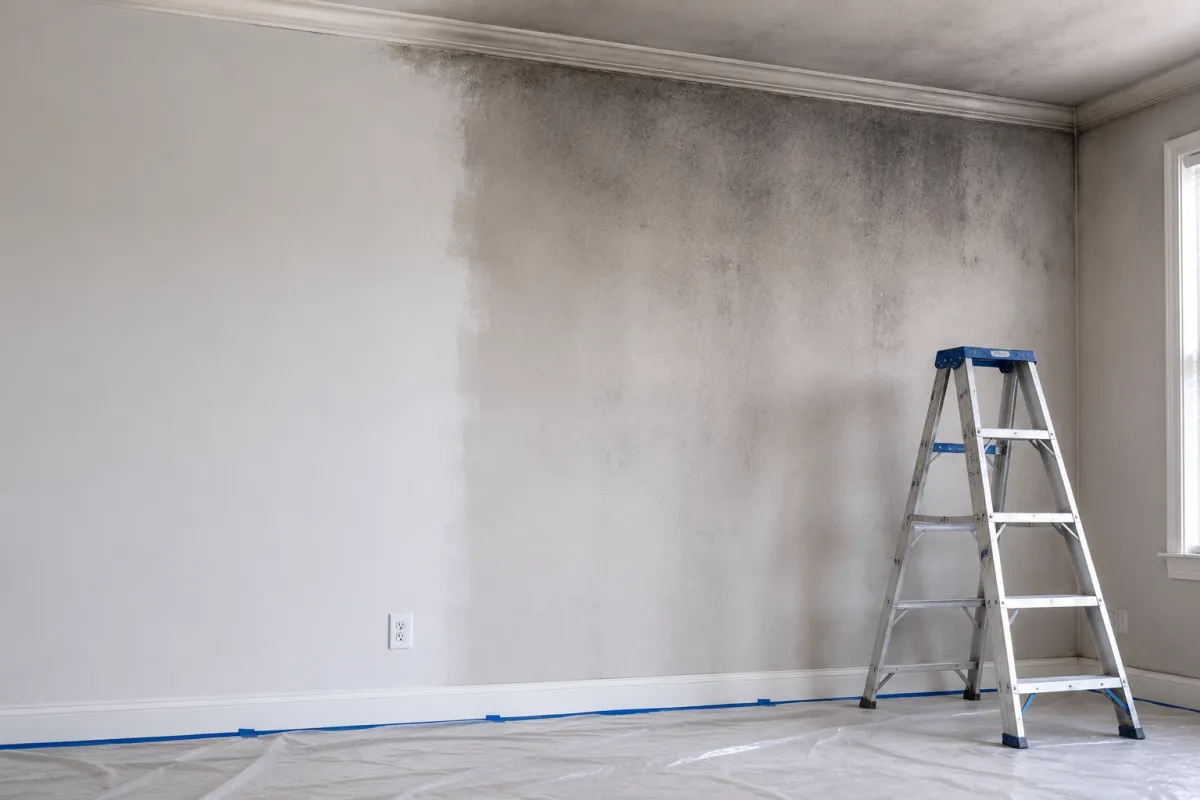
Fire leaves layered damage. Soot begins etching surfaces within days while suppression water starts a separate clock. We address both together, treating residue, removing smoke odor at the source, and documenting contents for the claim.
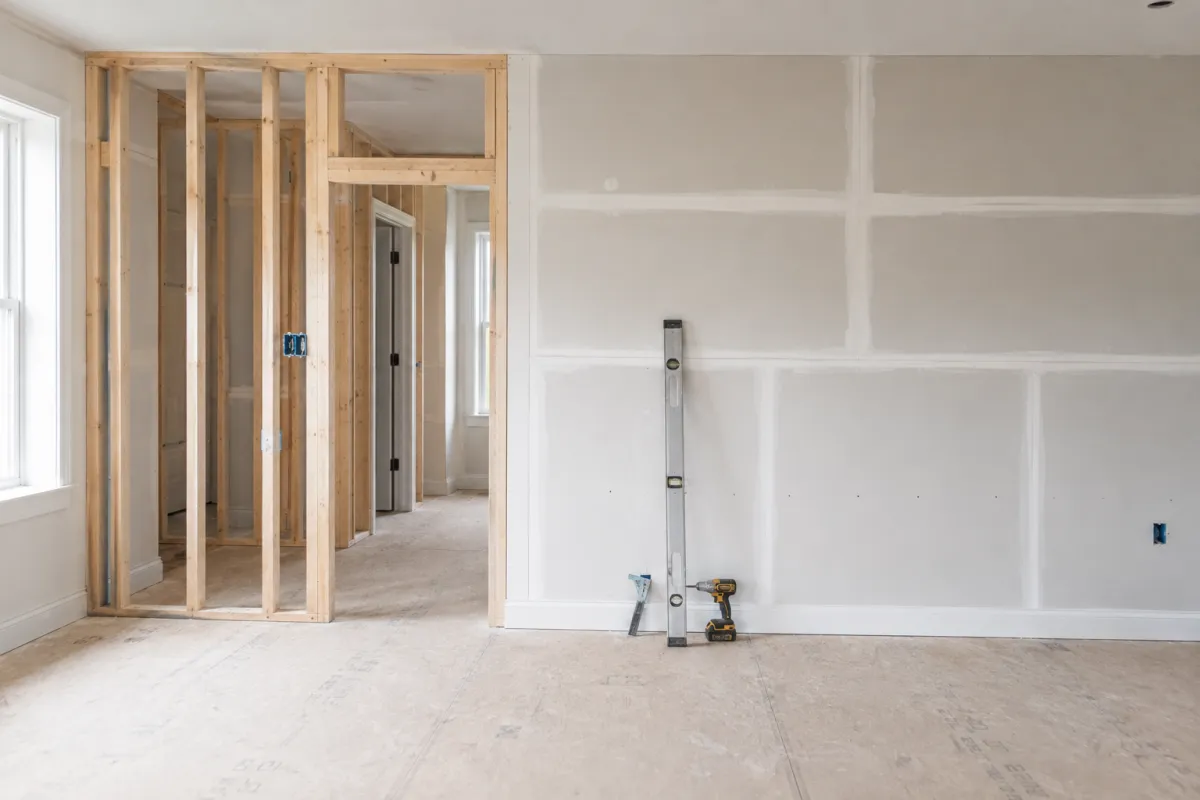

Building Restoration Service
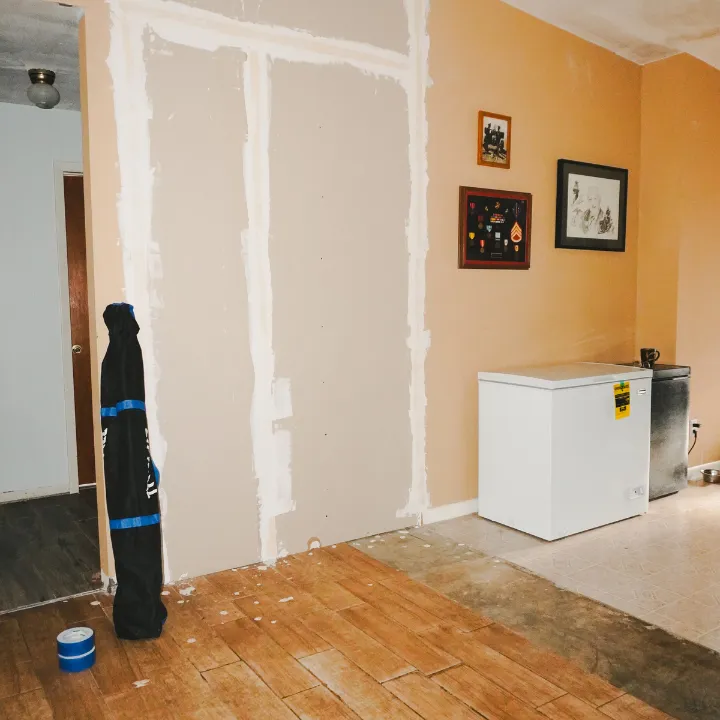
Most companies stop after demolition. We carry the job through reconstruction, rebuilding drywall, flooring, framing, and finishes so your property is returned to the condition it was in before the loss.
GAllery
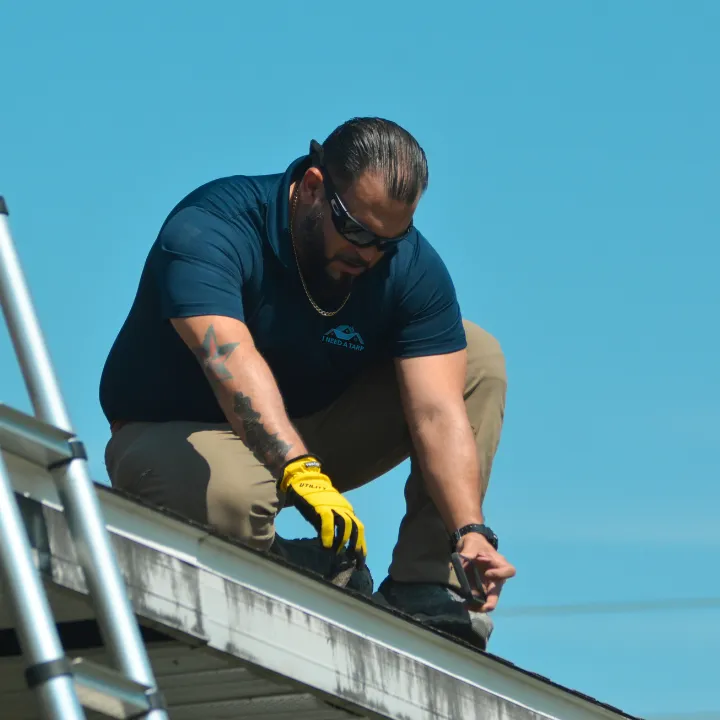
Real Result. Real Restorations
Real Result. Real Restorations
WHY SWEETWATER CALLS US
Why Choose I Need A Tarp LLC in Sweetwater
On Call 24/7 Emergency Response
Storm water and plumbing water are different jobs. Water that came in from outside is treated as contaminated, which changes what can be dried and what has to be removed, and it changes how the claim is handled. We categorize the water before making decisions about salvageable material rather than drying everything and hoping.
That documentation matters here more than most places, because the flood and plumbing distinction determines coverage. Much of our work arrives through public adjusters and claims firms, so recording conditions properly is part of how we work.
We are a family owned company with a team of 15, we work in English and Spanish, and we answer calls at any hour.
Service Areas
Serving Doral & Sorrounding Areas
Our office is in Doral and our crews work throughout the surrounding communities of Miami Dade. Every service listed above is available in each of these areas, with the same response and the same documentation standard regardless of which city you are calling from.
F.A.Q
Water Damage Questions in Sweetwater
Here are answers to common questions about our restoration services.
Storm water got into my house. Is that covered by homeowners insurance?
Usually not. Water entering from outside during a storm is classified as flood, which standard Florida policies exclude and which requires separate flood coverage. A pipe failing inside the house is a different category and typically covered.
What should I do after flood water recedes?
Photograph everything before moving anything, and do not walk through standing water if electricity to the area is still on. Storm water is treated as contaminated, so avoid handling saturated materials without protection.
Can carpet and drywall be saved after storm flooding?
Usually not. Floodwater carries soil and debris from outside, so carpet, padding, insulation, and the lower portion of affected drywall are typically removed rather than dried, even when the water looked clear. [LINK to Flood Damage Restoration]
Why does water sit so long in Sweetwater during heavy rain?
Because the land is flat and drainage depends on canals rather than slope. Water accumulates and waits for the system to move it, which is why flood protection work along the Tamiami Canal has been ongoing for years.
Will flooding cause mold in my house?
It can, quickly. Mold begins developing within 24 to 48 hours on wet material, and Florida humidity shortens that window further. Prompt removal of saturated material and proper drying is what prevents it. [Mold Remediation]
Do you speak Spanish?
Yes. We work in English and Spanish, which matters in Sweetwater where most residents and most public communication use both.
Do you work with insurance, or only direct pay?
Both. Much of our work comes through public adjusters and claims firms, and we also handle direct pay. Conditions and moisture readings are documented from the first visit either way.
I Need A Tarp LLC - Restoration Expert is a family owned restoration company based in Doral. We handle water damage, mold, fire, and the reconstruction that follows, for homeowners and properties across Miami Dade. Licensed by the State of Florida and available 24 hours a day.


Contact Now
Office Location
8400 NW 33rd St, Doral, FL 33122
Office Info
+1 813-921-2308
I Need A Tarp LLC - Restoration Expert is a family owned restoration company based in Doral. We handle water damage, mold, fire, and the reconstruction that follows, for homeowners and properties across Miami Dade. Licensed by the State of Florida and available 24 hours a day.

Contact Now
Office Location
8400 NW 33rd St, Doral, FL 33122
Office Info
+1 813-921-2308