
RESTORATION EXPERT YOU CAN TRUST
Water Damage Restoration in Miami Springs, FL
FLAT ROOFS, THICK WALLS
Serving Virginia Gardens from Our Doral Base
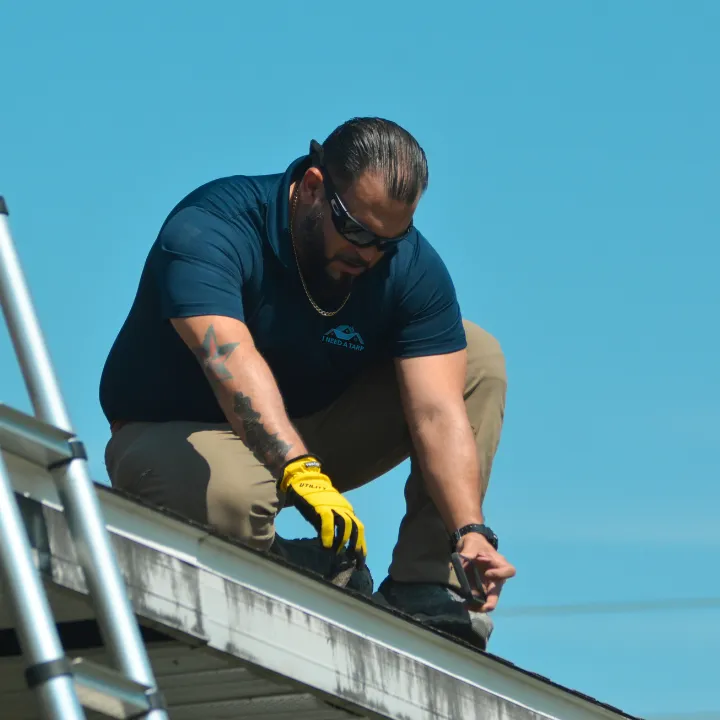
The Pueblo Revival homes here were built with flat or low sloping roofs behind parapet walls, with drainage channels called canales carrying rainwater through them. The city's own historic preservation material describes the style plainly as a promotional stage front rather than architecture well suited to Dade County's climate, and roof detail is where that shows. Flat roofs hold water instead of shedding it, and parapet joints and canales are the points that fail first.
The walls behave differently too. Thick stucco holds moisture far longer than modern drywall construction, so a leak that would air out in a newer house stays wet inside the wall for weeks. That is enough time for mold to establish well before anything appears on the surface.
Then there is the plumbing. Homes from the 1920s, and the wave built in the 1930s when Eastern Air Lines moved to the 36th Street Airport and needed housing for hundreds of employees, are running on supply and drain lines that are now approaching a century old.
We map moisture with meters and thermal imaging before removing anything, and we dry to readings rather than to a schedule, because materials this dense release water slowly.
[LINK to Water Damage Restoration] · [LINK to Structural Drying] · [LINK to Mold Remediation]
minutes from our office
Serving Miami Springs from Our Doral Base
I Need A Tarp LLC is headquartered in Doral [Homepage], a short drive from Miami Springs, and our crews cover the city along with the surrounding Miami Dade communities. We answer calls 24 hours a day, seven days a week.
Miami Springs has older housing than almost anywhere else in the county. Founded during the 1920s land boom by Glenn Curtiss and James Bright as Country Club Estates, it was one of Florida's first planned communities, built around a Pueblo Revival architectural theme borrowed from the American Southwest.
That history is part of what makes the city distinctive, and it is also why water damage here often looks different from a standard South Florida house.
FLAT ROOFS, THICK WALLS
What Water Damage Looks Like in Miami Springs
The Pueblo Revival homes here were built with flat or low sloping roofs behind parapet walls, with drainage channels called canales carrying rainwater through them. The city's own historic preservation material describes the style plainly as a promotional stage front rather than architecture well suited to Dade County's climate, and roof detail is where that shows. Flat roofs hold water instead of shedding it, and parapet joints and canales are the points that fail first.
The walls behave differently too. Thick stucco holds moisture far longer than modern drywall construction, so a leak that would air out in a newer house stays wet inside the wall for weeks. That is enough time for mold to establish well before anything appears on the surface.
Then there is the plumbing. Homes from the 1920s, and the wave built in the 1930s when Eastern Air Lines moved to the 36th Street Airport and needed housing for hundreds of employees, are running on supply and drain lines that are now approaching a century old.
We map moisture with meters and thermal imaging before removing anything, and we dry to readings rather than to a schedule, because materials this dense release water slowly.
[Water Damage Restoration] · [Structural Drying] · [Mold Remediation]
FLAT ROOFS, THICK WALLS
What Water Damage Looks Like in Miami Springs
The Pueblo Revival homes here were built with flat or low sloping roofs behind parapet walls, with drainage channels called canales carrying rainwater through them. The city's own historic preservation material describes the style plainly as a promotional stage front rather than architecture well suited to Dade County's climate, and roof detail is where that shows. Flat roofs hold water instead of shedding it, and parapet joints and canales are the points that fail first.
The walls behave differently too. Thick stucco holds moisture far longer than modern drywall construction, so a leak that would air out in a newer house stays wet inside the wall for weeks. That is enough time for mold to establish well before anything appears on the surface.
Then there is the plumbing. Homes from the 1920s, and the wave built in the 1930s when Eastern Air Lines moved to the 36th Street Airport and needed housing for hundreds of employees, are running on supply and drain lines that are now approaching a century old.
We map moisture with meters and thermal imaging before removing anything, and we dry to readings rather than to a schedule, because materials this dense release water slowly.
[LINK to Water Damage Restoration] · [LINK to Structural Drying] · [LINK to Mold Remediation]
OUR SERVICES
Restoration Services We Provide In Doral

Water Damage Restoration
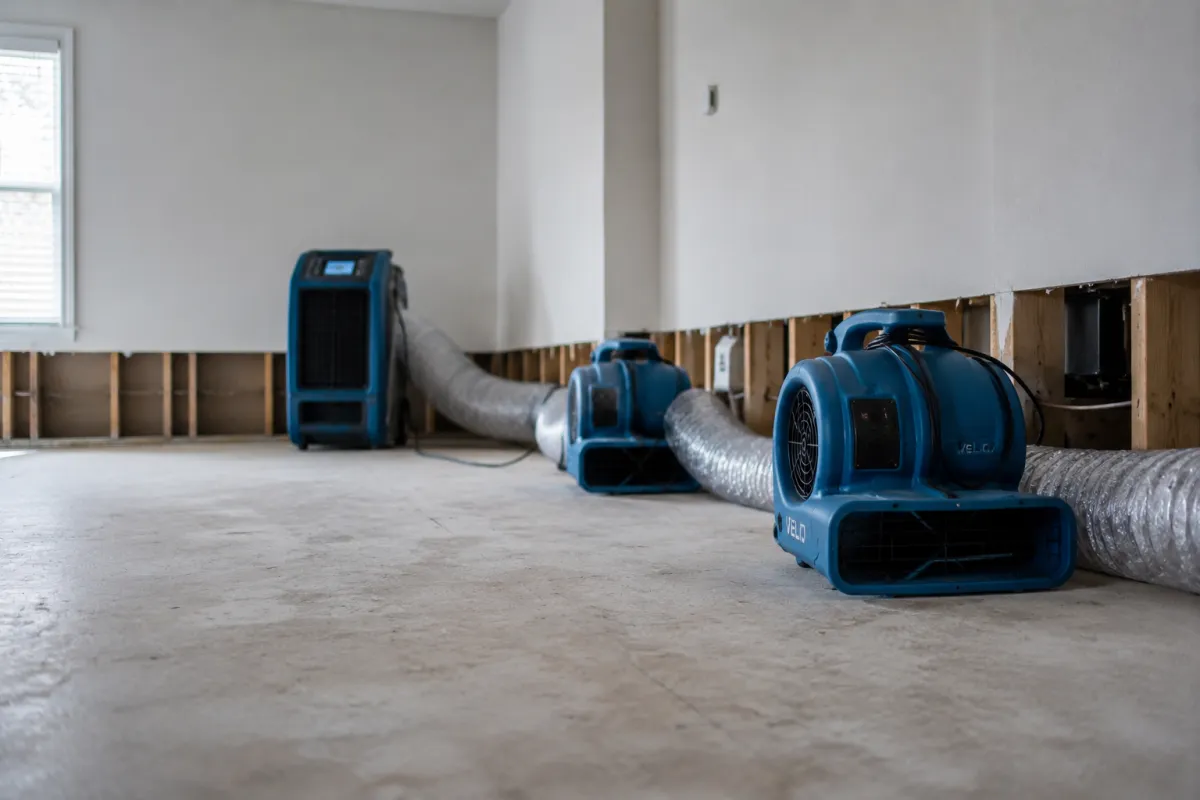
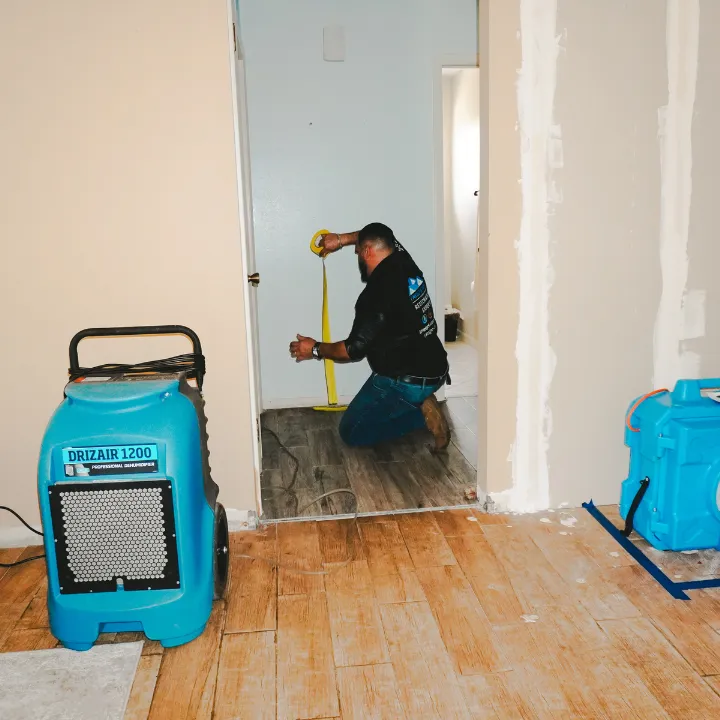
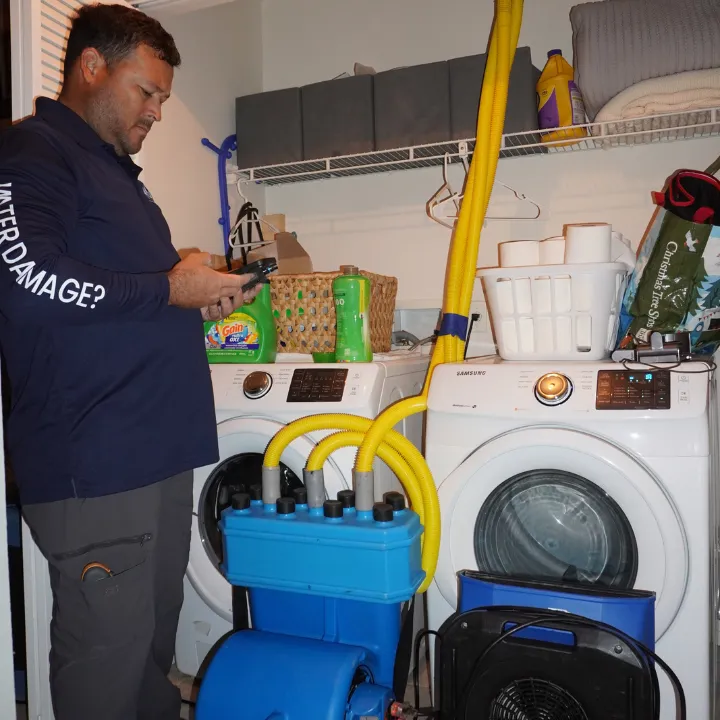
Our primary service and the reason most people call. We extract standing water, dry the structure with monitored equipment, and confirm the property has reached dry standard before we close the file. This covers burst pipes, appliance failures, roof and ceiling leaks, and storm flooding.
Mold Remediation
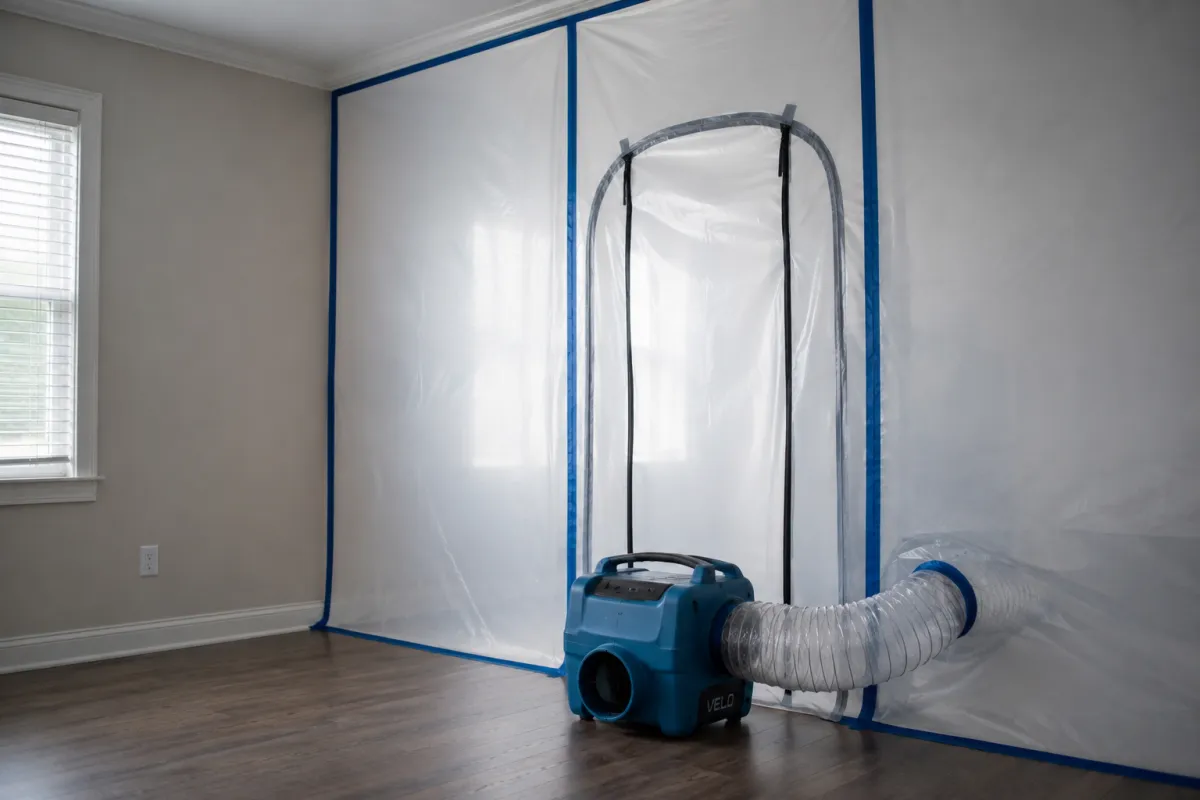
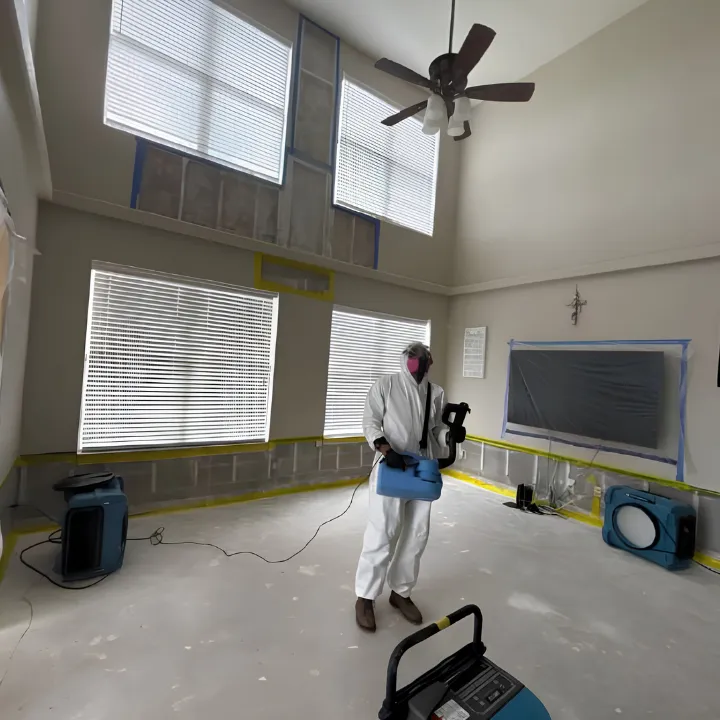
South Florida humidity means mold can follow a water loss within days. We contain the affected area under negative pressure, remove materials that cannot be cleaned, and verify each zone with clearance sampling before signing it off.

Fire Damage Restoration
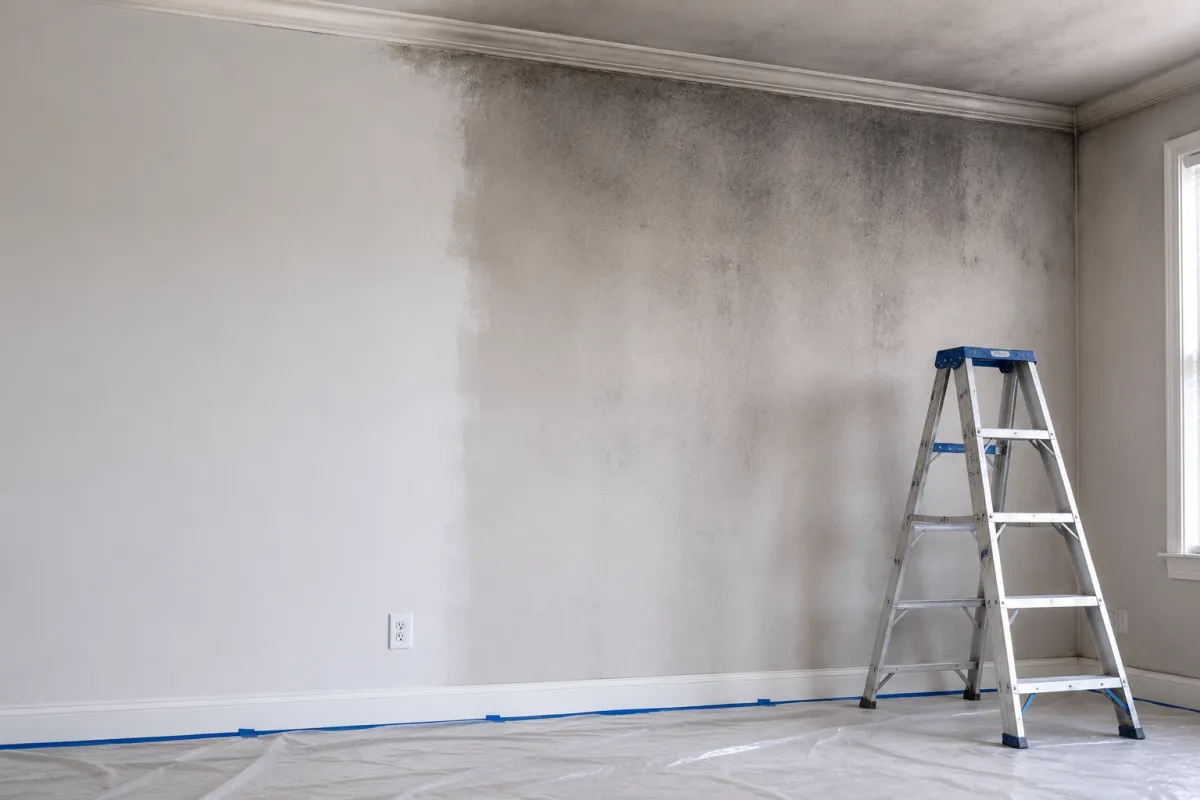
Fire leaves layered damage. Soot begins etching surfaces within days while suppression water starts a separate clock. We address both together, treating residue, removing smoke odor at the source, and documenting contents for the claim.

Building Restoration Service
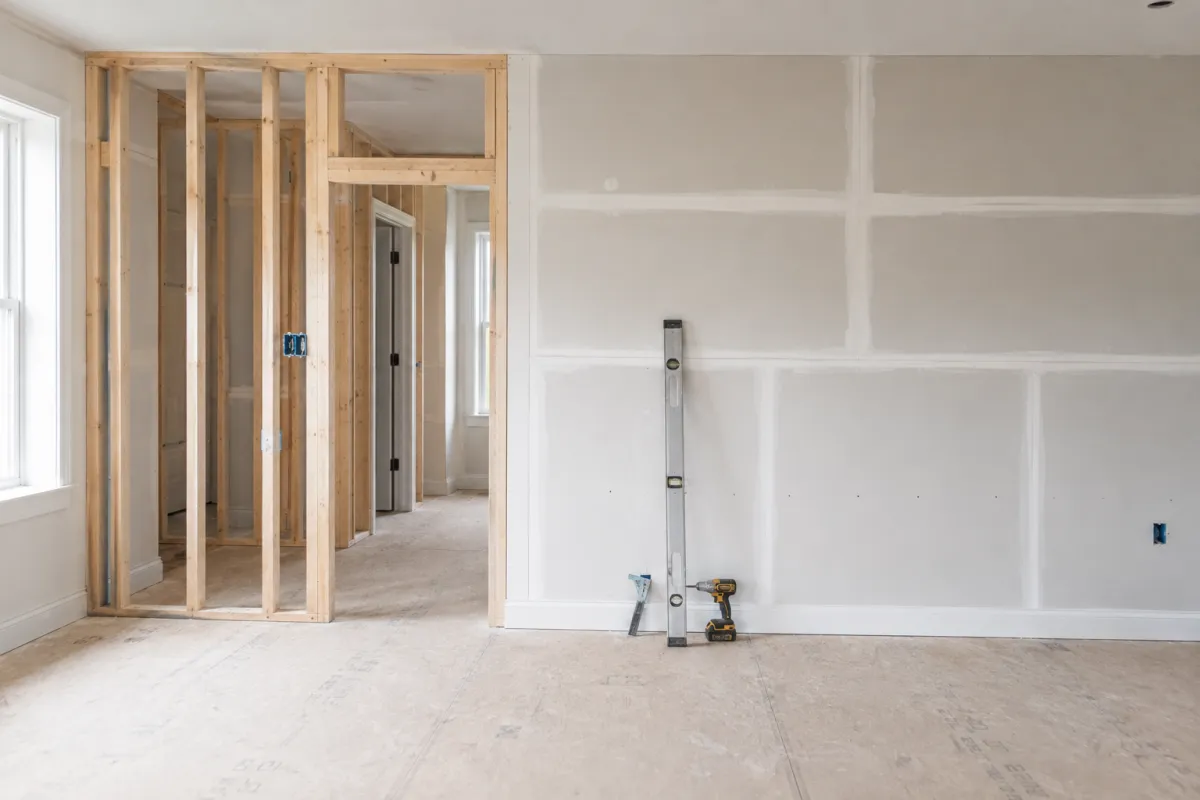
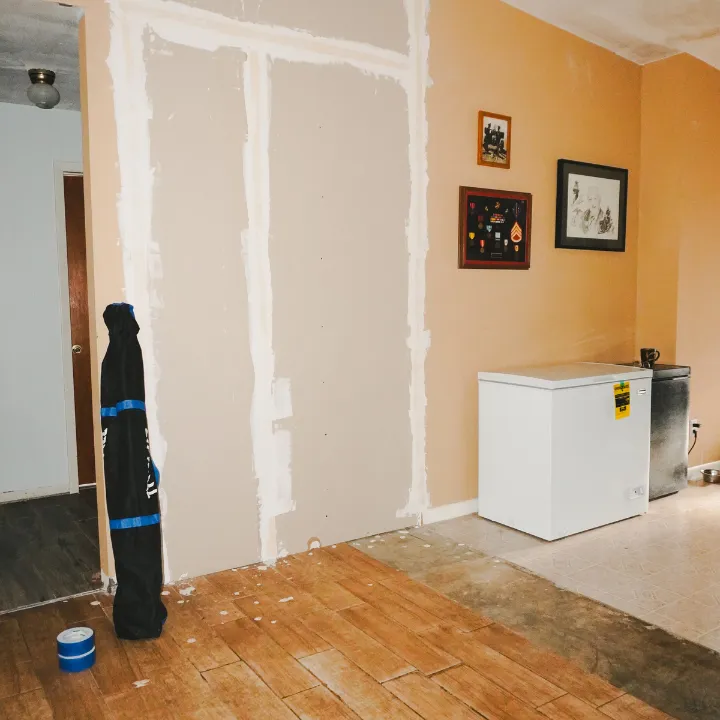
Most companies stop after demolition. We carry the job through reconstruction, rebuilding drywall, flooring, framing, and finishes so your property is returned to the condition it was in before the loss.
GAllery
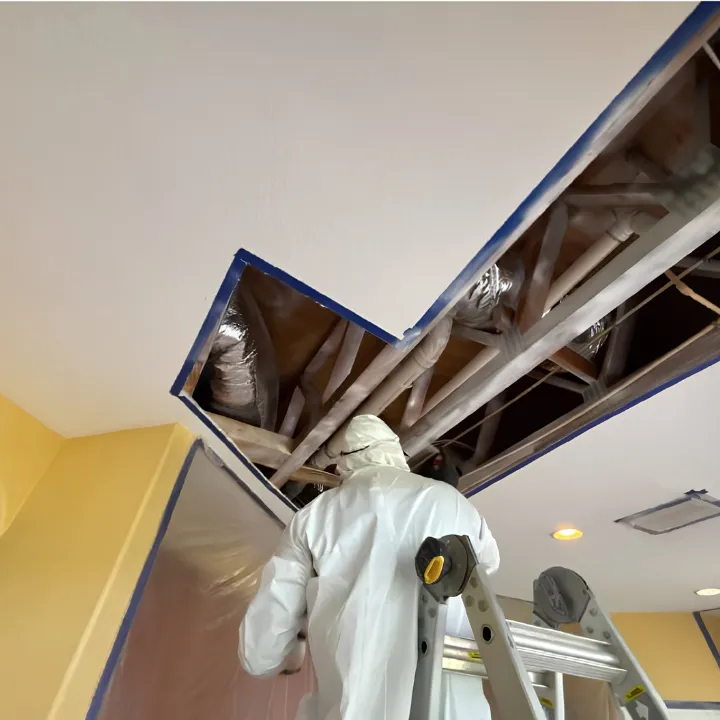
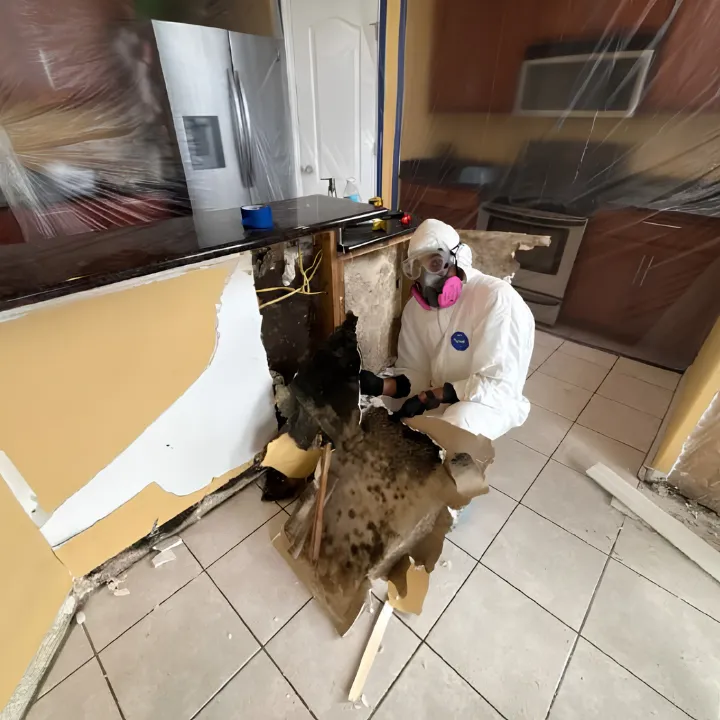
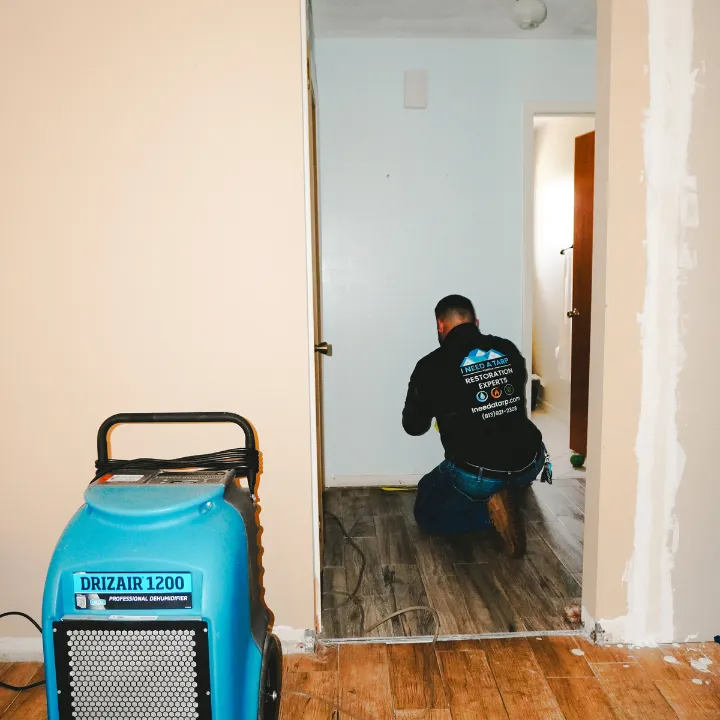
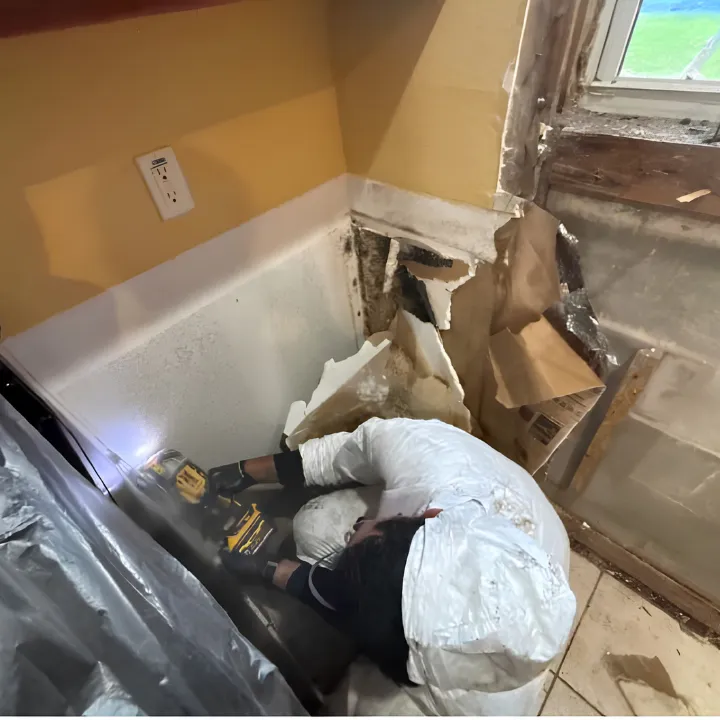
Real Result. Real Restorations
Real Result. Real Restorations
WHY MIAMI SPRINGS CALLS US
Why Choose I Need A Tarp LLC in Miami Springs
On Call 24/7 Emergency Response
Older homes need more patience than newer ones. Thick stucco and dense materials release moisture slowly, so drying to a fixed number of days rather than to actual readings leaves water inside the wall. We monitor daily and the equipment stays until the readings say the structure is dry.
We are a family owned company with a team of 15, and the owners oversee the crews that show up rather than dispatching to whoever is nearest.
Much of our work arrives through public adjusters and claims firms, so documentation is part of how we work rather than something added afterward. We also work in English and Spanish.
Service Areas
Serving Doral & Sorrounding Areas
Our office is in Doral and our crews work throughout the surrounding communities of Miami Dade. Every service listed above is available in each of these areas, with the same response and the same documentation standard regardless of which city you are calling from.
F.A.Q
Water Damage Questions Miami Springs
Here are answers to common questions about our restoration services.
Why do flat roofs in Miami Springs leak so often?
Because they hold water rather than shedding it. Pueblo Revival homes here have flat or low sloping roofs behind parapet walls, and the joints where the parapet meets the roof, along with the canales that drain through them, are the points that fail first.
Do you work on older and historic homes?
Yes. Older construction needs a different approach, particularly thick stucco walls that hold moisture far longer than modern materials. We dry to moisture readings rather than a fixed schedule so nothing gets closed up while still wet.
What causes most water damage in Miami Springs homes?
Roof and parapet leaks on flat roofed houses, and plumbing failures in homes approaching a century old. Air conditioning condensate overflow is the other common cause across the county.
Why does water damage in an old stucco house take longer to dry?
Dense materials release moisture slowly. Thick stucco and older construction hold water inside the wall long after the surface feels dry, which is why readings matter more than appearance. [Structural Drying]
How do I know if there is mold behind the wall?
A musty smell that keeps returning, staining that reappears after painting, or a wall that stayed damp after a repair. In older homes growth often establishes before anything shows, because the wall stays wet longer. [Mold Remediation]
Do you work with insurance, or only direct pay?
Both. Much of our work comes through public adjusters and claims firms, and we also handle direct pay. Conditions and moisture readings are documented from the first visit either way.
I Need A Tarp LLC - Restoration Expert is a family owned restoration company based in Doral. We handle water damage, mold, fire, and the reconstruction that follows, for homeowners and properties across Miami Dade. Licensed by the State of Florida and available 24 hours a day.


Contact Now
Office Location
8400 NW 33rd St, Doral, FL 33122
Office Info
+1 813-921-2308
I Need A Tarp LLC - Restoration Expert is a family owned restoration company based in Doral. We handle water damage, mold, fire, and the reconstruction that follows, for homeowners and properties across Miami Dade. Licensed by the State of Florida and available 24 hours a day.

Contact Now
Office Location
8400 NW 33rd St, Doral, FL 33122
Office Info
+1 813-921-2308