Fire Damage Restoration in Doral, FL
Fire leaves three problems behind: soot, odor, and the water used to put it out. We handle all three, then rebuild what came out.
what the fire leaves
Why Fire Damage Keeps Working After the Fire Is Out
The flames stop, but the damage does not. Soot is acidic, and it begins etching metal, glass, appliance finishes, and painted surfaces within days. What could have been cleaned in the first week often has to be replaced by the third.
At the same time, the water used to extinguish the fire has soaked into drywall, flooring, and framing. That creates a second clock running alongside the first, because wet material in Doral's humidity can begin growing mold within a couple of days.
And smoke travels. It moves through ductwork and wall cavities into rooms that never saw flame, leaving residue and odor in closets and furniture far from where the fire started. Fire damage restoration means addressing all three at once rather than in sequence.
FIRE DAMAGE EMERGENCY?
WE'RE READY 24/7
WHAT THE FIRE LEAVES
Why Fire Damage Keeps Working After the Fire Is Out
The flames stop, but the damage does not. Soot is acidic, and it begins etching metal, glass, appliance finishes, and painted surfaces within days. What could have been cleaned in the first week often has to be replaced by the third.
At the same time, the water used to extinguish the fire has soaked into drywall, flooring, and framing. That creates a second clock running alongside the first, because wet material in Doral's humidity can begin growing mold within a couple of days.
And smoke travels. It moves through ductwork and wall cavities into rooms that never saw flame, leaving residue and odor in closets and furniture far from where the fire started. Fire damage restoration means addressing all three at once rather than in sequence.
WATER DAMAGE EMERGENCY?
WE'RE READY 24/7
WHAT YOU GET
What Is Included in Our Fire Damage Restoration
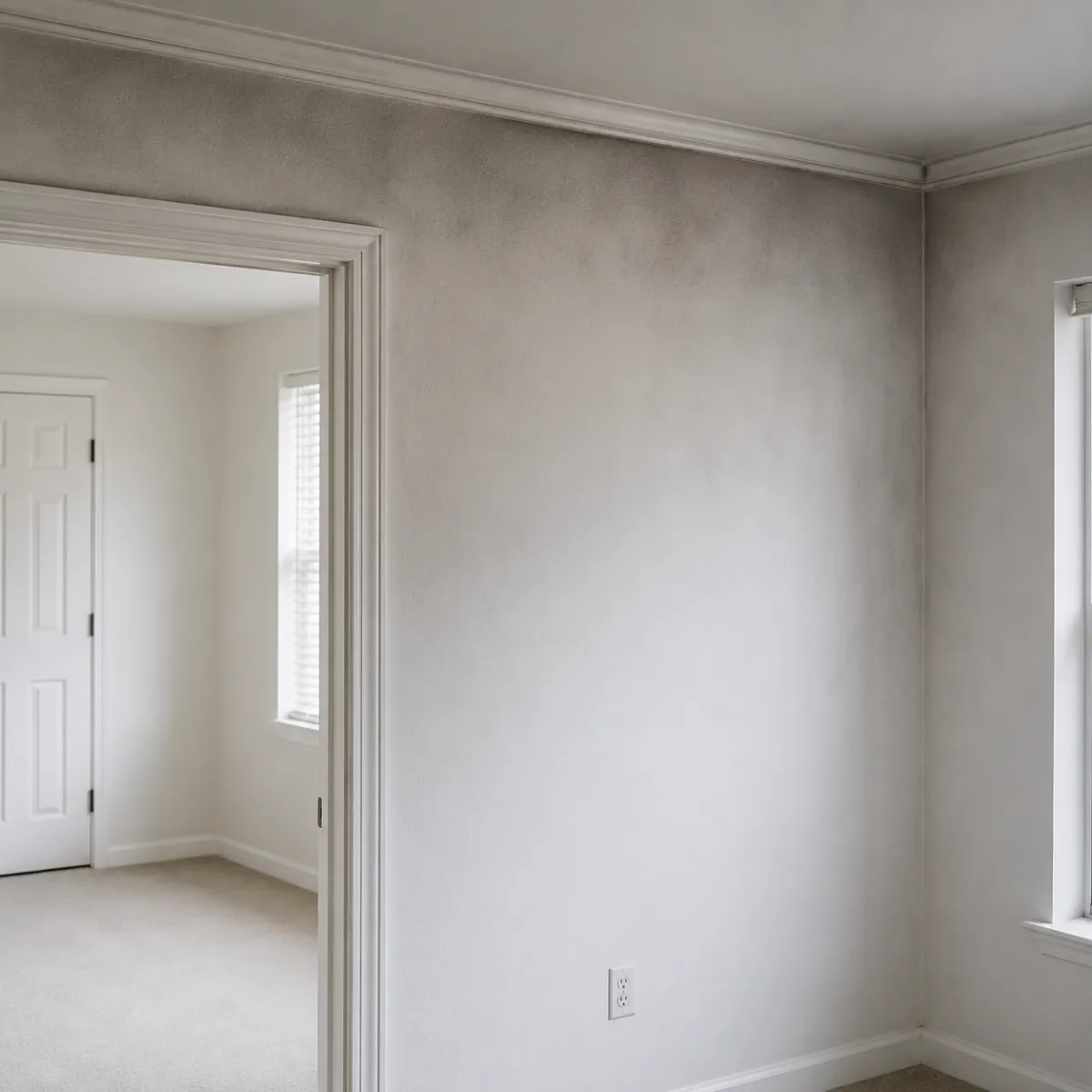
Smoke Damage Restoration
Smoke residue reaches well beyond the burn area. We map where it traveled and treat those surfaces, because rooms that look untouched often are not.
Soot Removal
Soot is removed with methods matched to the residue type and the surface, since the wrong approach drives it deeper into porous material rather than lifting it.
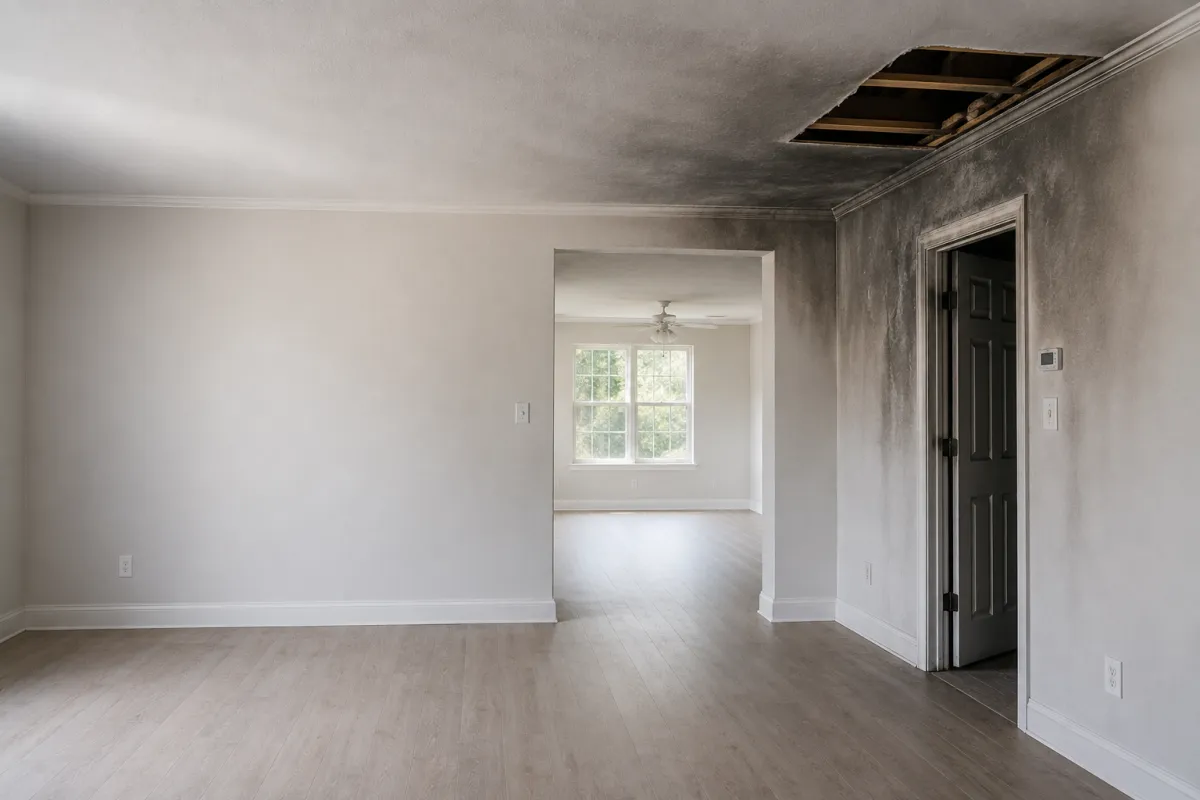
Smoke Odor Removal
Odor persists because residue stays in insulation, ductwork, and framing. We treat those reservoirs rather than covering the smell.
WHAT YOU GET
What Is Included in Our Fire Damage Restoration
Smoke Damage Restoration
Smoke residue reaches well beyond the burn area. We map where it traveled and treat those surfaces, because rooms that look untouched often are not.
Soot Removal
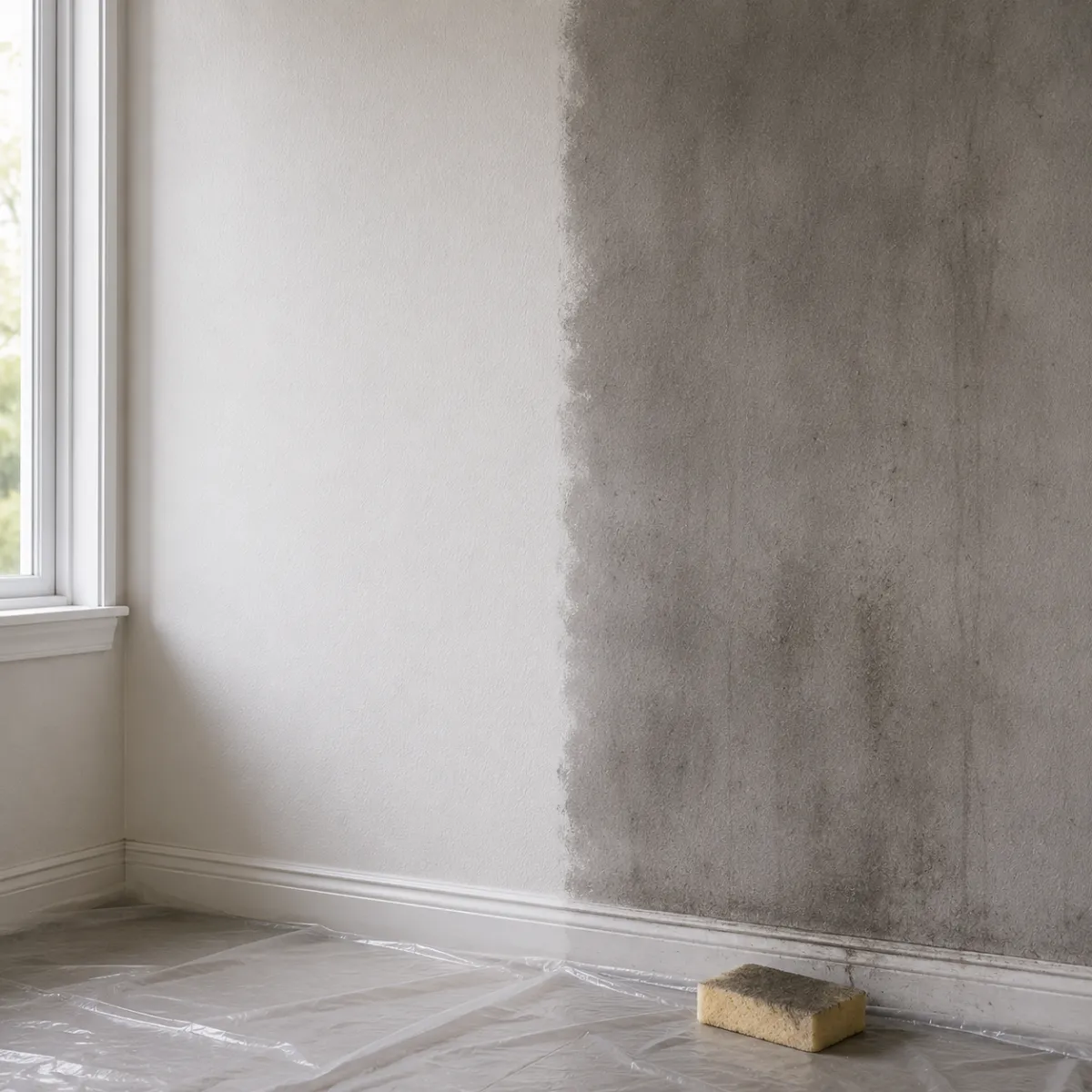
Soot is removed with methods matched to the residue type and the surface, since the wrong approach drives it deeper into porous material rather than lifting it.
Smoke Odor Removal
Odor persists because residue stays in insulation, ductwork, and framing. We treat those reservoirs rather than covering the smell.
FIRE DAMAGE EMERGENCY?
WE'RE READY 24/7
WHAT TO EXPECT
OUR FIRE DAMAGE RESTORATION process
01
We secure and assess
Once the property is released by the fire department, we evaluate what is safe to enter and identify where smoke and water traveled beyond the burn area.
02
We document before cleaning
Contents and structure are photographed and recorded before anything is moved or cleaned, because a fire claim requires an itemized account of what was lost.
03
We address the water
Extraction and drying begin early, since suppression water left in place creates a mold problem on top of the fire damage. [Water Damage Restoration]
04
We remove what cannot be saved
Charred and heavily contaminated materials come out. Contents that can be cleaned are separated from those that cannot.
05
We clean soot and treat odor
Surfaces are cleaned using methods matched to the residue, and odor is treated at its source in ductwork, insulation, and framing.
06
We rebuild
Drywall, flooring, trim, and finishes are replaced so the property is returned to the condition it was in before. [Building Restoration Service]
who we help
Homes, Condos, And Businesses
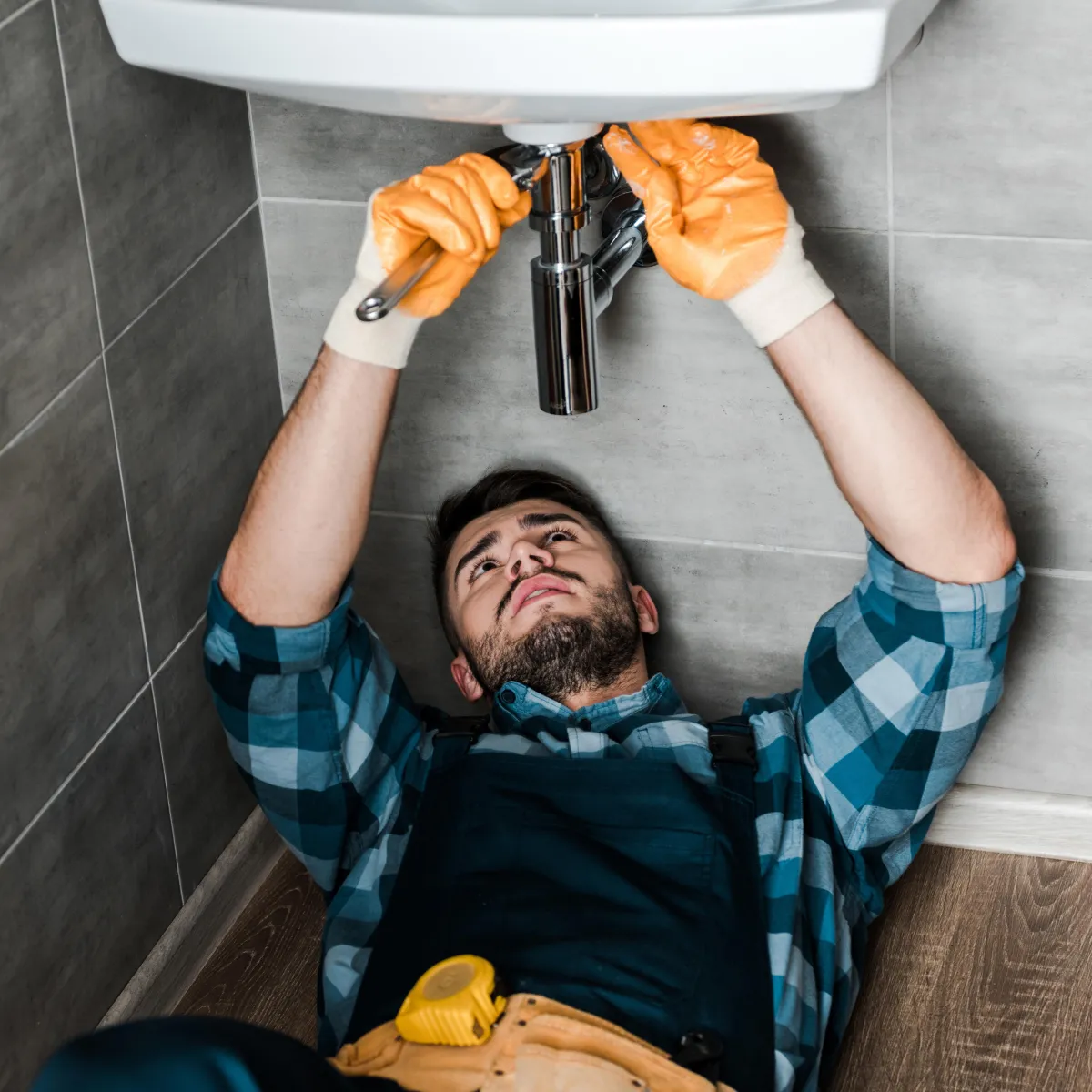
Most of our fire work is residential. Kitchen fires, electrical faults, and appliance failures in single family homes across Doral, where the flames are often confined to one room but the smoke is not.
Condominiums complicate matters. Smoke and water rarely respect unit boundaries, and a fire in one unit frequently damages neighbors above and beside it, with separate policies and an association involved.
Commercial properties face a different pressure. A restaurant or retail space cannot generate revenue while it is closed, so the work has to move quickly and the documentation has to support a business interruption claim as well as a property one.
WHY THIS TEAM
Why Choose I Need Tarp LLC
We are a family owned company with a team of 15, and the owners oversee the crews that show up. Calls are answered 24 hours a day, seven days a week.
Because we also handle water damage restoration, the suppression water gets treated as its own problem from the start rather than discovered later. Fire jobs that ignore the water become mold jobs a week afterward.
Much of our work comes through public adjusters and claims firms, so our documentation gets reviewed by professionals regularly. That matters more on a fire claim than almost any other kind, because the contents inventory is what the settlement is built on.
WHY THIS TEAM
Why Choose I Need Tarp LLC
We are a family owned company with a team of 15, and the owners oversee the crews that show up. Calls are answered 24 hours a day, seven days a week.
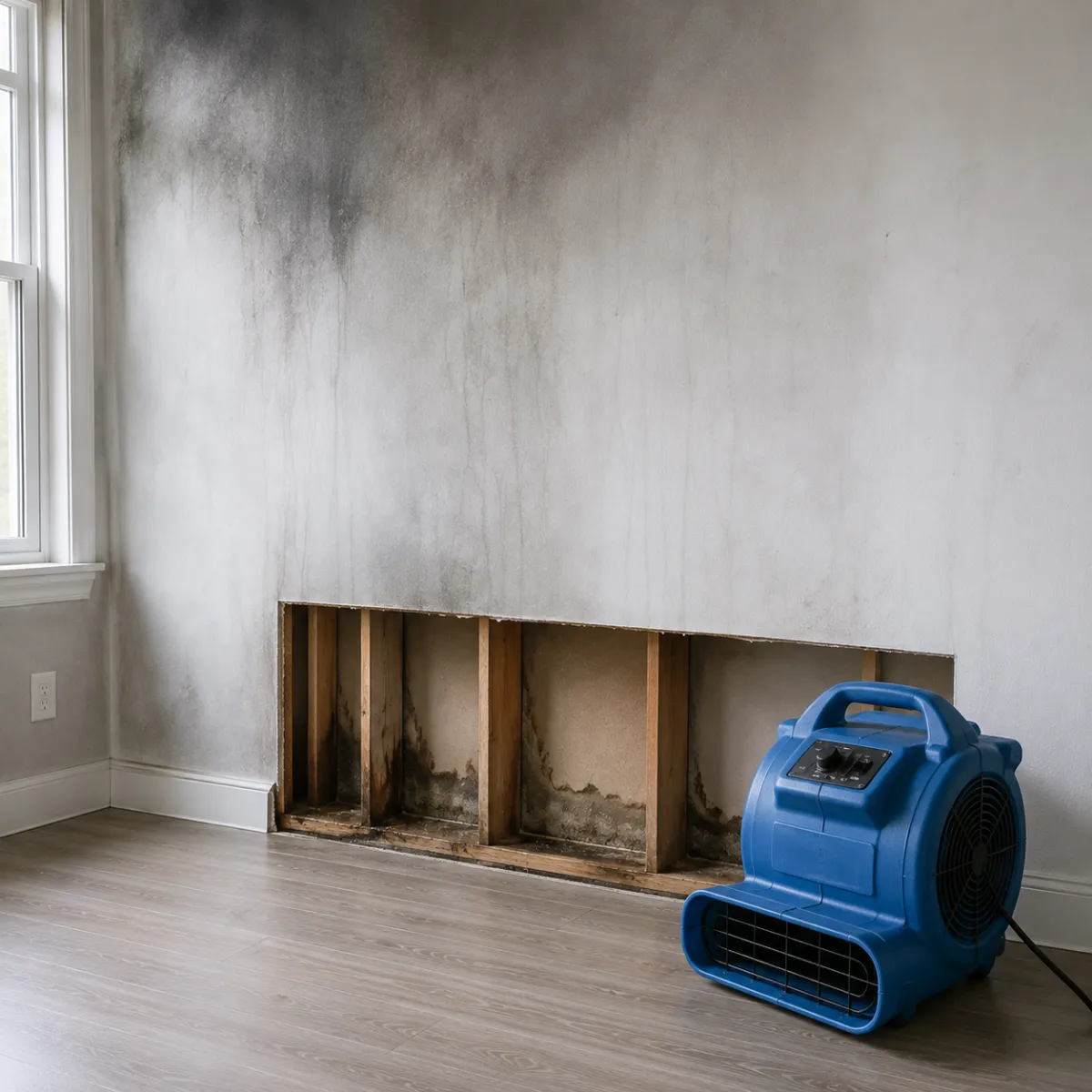
Because we also handle water damage restoration, we treat mold as a moisture problem rather than a surface problem. Finding and drying the source is part of the job, not a separate call to a separate contractor.
On larger jobs we work in phases, moving contents to one side of the property, treating that zone, then moving everything back and repeating. It takes more coordination and it means families can often stay in the home.
Service Areas
Serving Doral & Sorrounding Areas
Our office is in Doral and our crews work throughout the surrounding communities of Miami Dade. Every service listed above is available in each of these areas, with the same response and the same documentation standard regardless of which city you are calling from.
F.A.Q
Fire Damage Restoration Questions
Here are answers to common questions about our restoration services.
Is it safe to go back inside after a fire?
Only after the fire department clears the property. Even then, soot is a respiratory irritant, structural elements may be compromised, and electrical systems can be unsafe. Do not enter to retrieve belongings until someone has assessed it.
What should I do in the first 24 hours after a house fire?
Contact your insurance company to open the claim, and photograph everything before moving or cleaning anything. Do not attempt to clean soot yourself, because improper cleaning can set residue permanently into surfaces.
Can smoke damage be cleaned, or does everything have to be replaced?
Much of it can be cleaned. Non porous surfaces like metal, glass, tile, and sealed wood usually recover. Porous items such as upholstery, carpet, and insulation that absorbed smoke often cannot be restored reliably.
How do you get the smoke smell out of a house?
By removing the residue that produces it. Odor lives in insulation, ductwork, carpet, and framing, so treatment targets those materials directly. Masking with fragrance does not work, because the smell returns as humidity rises.
Why is there water damage after a fire?
Firefighting water saturates drywall, flooring, and framing, and on a contained fire it is often the larger source of material loss. In Florida's humidity that water can begin growing mold within 24 to 48 hours if it is not dried promptly. [Water Damage Restoration]
Does homeowners insurance cover fire damage?
Fire is covered under standard homeowners policies, including damage from smoke and from water used to extinguish it. Coverage limits and how contents are valued vary by policy, which is why documenting everything before cleanup matters.
How long does fire damage restoration take?
It depends heavily on scope. Smoke and odor work in a limited area can take days, while a fire that required significant demolition and reconstruction takes weeks or longer. The cleaning phase is usually shorter than the rebuild.
Do you handle the rebuild, or only the cleanup?
Both. We carry fire jobs through reconstruction, replacing drywall, flooring, and finishes. Many companies clean and demolish, then leave the property owner to find a separate contractor for the rebuild. [Building Restoration Service]
I Need A Tarp LLC - Restoration Expert is a family owned restoration company based in Doral. We handle water damage, mold, fire, and the reconstruction that follows, for homeowners and properties across Miami Dade. Licensed by the State of Florida and available 24 hours a day.


Contact Now
Office Location
8400 NW 33rd St, Doral, FL 33122
Office Info
+1 813-921-2308
I Need A Tarp LLC - Restoration Expert is a family owned restoration company based in Doral. We handle water damage, mold, fire, and the reconstruction that follows, for homeowners and properties across Miami Dade. Licensed by the State of Florida and available 24 hours a day.
Contact Now
Office Location
8400 NW 33rd St, Doral, FL 33122
Office Info
+1 813-921-2308